


Perennial · DeciduousSKU 167101
Salvia ner. Caradonna 2 Litre Pot
Salvia ner. Caradonna 2 Litre Pot
Salvia nemorosa 'Caradonna'
Salvia nemorosa Caradonna bear long violet-blue spike flowers, it blooms from early summer to late autumn
Read more
Regular price
£4.95
Regular price
Sale price
£4.95
Including VAT.
Out of stock
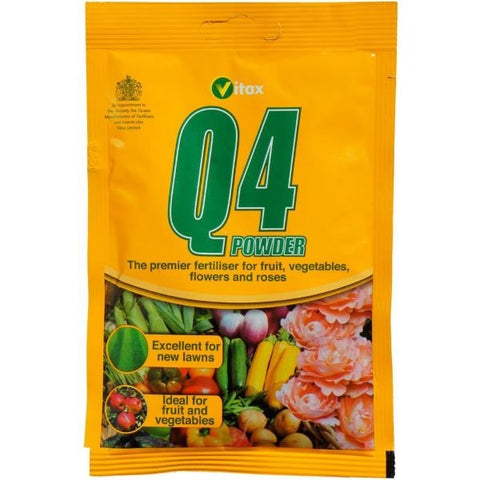
Vitax Q4 0.9KG Pouch
Feeds steady growth through the first season.
£4.99
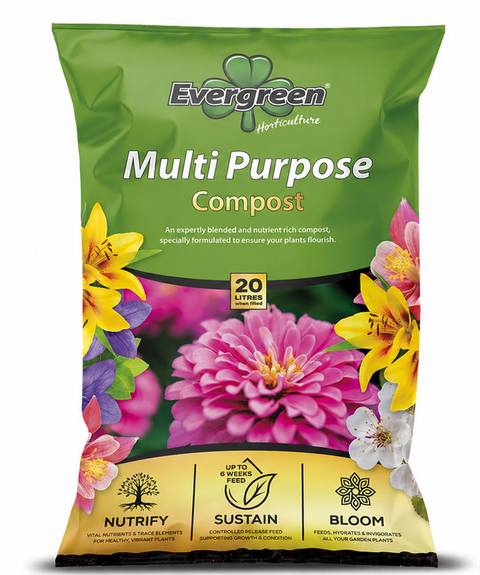
Evergreen Multi Purpose Compost 20 Litres
The planting essential for backfilling.
£4.75
Quantity
Couldn't load pickup availability
Spend more to unlock a bulk discount on your whole order
Free delivery over £400*
Nursery grown in Cheshire
Healthy-arrival guarantee
Expert planting advice
Balkan clary 'Caradonna'
Salvia nemorosa 'Caradonna'
Sunlight
Hardiness
H6 (-20 to -15°C)
Mature size
0.1-0.5m tall × 0.1-0.5m wide
Foliage
Deciduous
Flowers
Aspect
Supplied as
Pot Grown


About Salvia ner. Caradonna 2 Litre Pot
Plants well with
Our growers' picks to plant alongside Salvia ner. Caradonna 2 Litre Pot for a fuller, longer-lasting display.
-
Echinacea Purpurea Magnus 2 Litre Pot
Echinacea purpureaFull sunDeciduousIn stockRegular price £4.35Regular price
