Hedging plants for privacy, boundaries & structure
If you’re searching for hedging plants to create privacy, shelter a windy garden, or define boundaries, this collection is the best place to start. Use it as a hub to choose the right hedge type, height and planting format — then jump into the most relevant sub-collection to shop.
Shop by hedge type (quick links)
Choose the right format: pot-grown, rootball or bare root
One of the biggest “make or break” decisions is planting format. The right choice depends on budget, planting season and how instant you need the result:
-
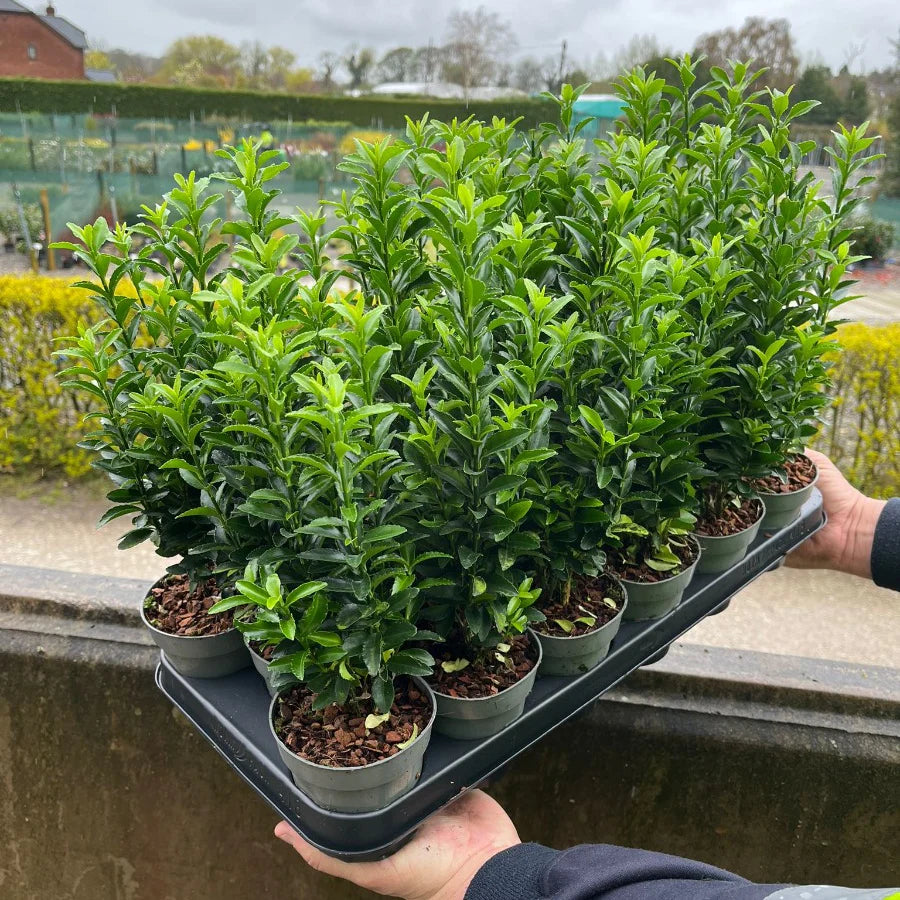
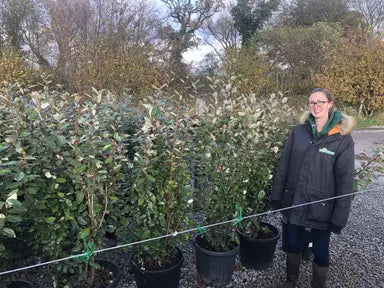
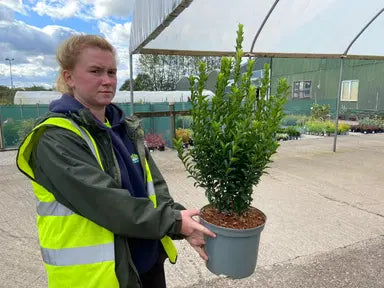
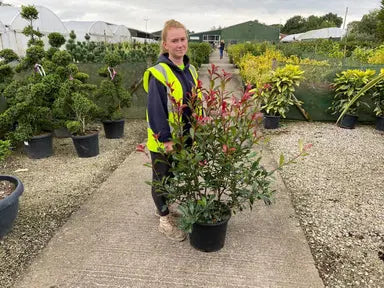
Pot-grown hedging – can be planted year-round (with watering in dry spells), ideal for flexibility.
-
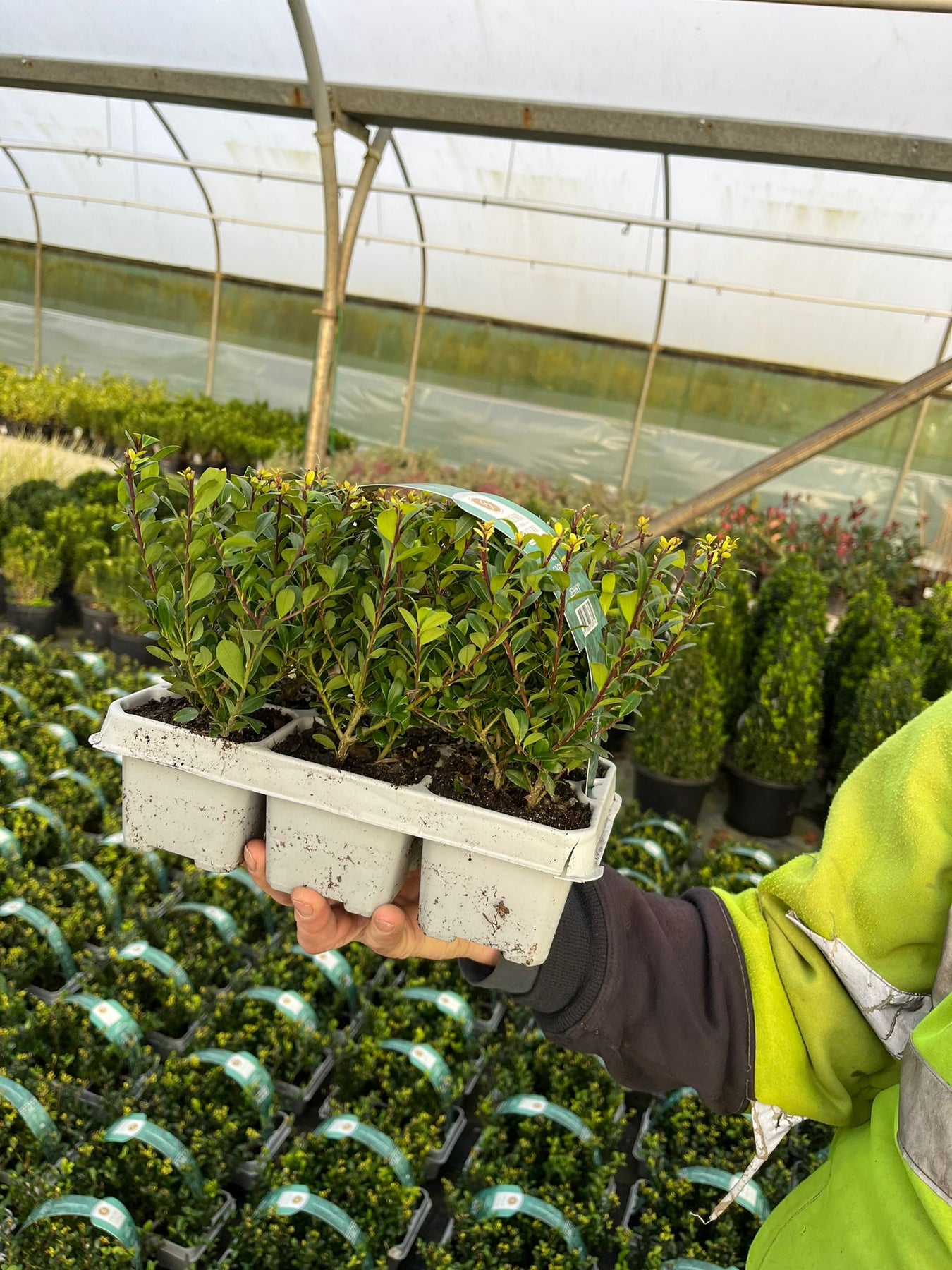
Rootball hedging – a great balance of size and value for larger, more established plants. Browse Rootball Hedging.
-
Bare root hedging – best value for longer runs, planted in season and great for filling boundaries quickly. Browse Bare Root Hedging.
How tall should your hedge be?
Start with the job your hedge needs to do, then pick a sensible “buy height”:
-
Low borders (approx. 40–80cm) – neat edging and garden structure.
-
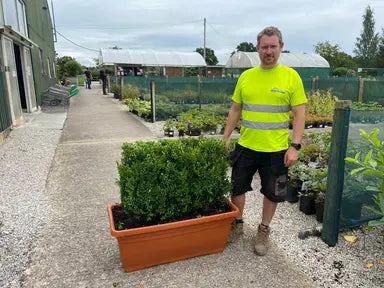
Mid-height screening (approx. 100–150cm) – defines boundaries without feeling closed-in.
-
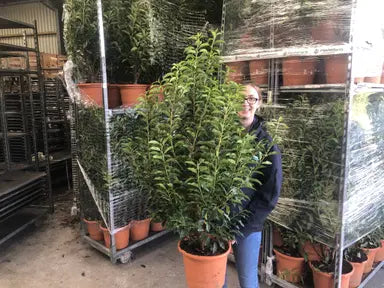
Privacy screening (approx. 150–200cm+) – quicker privacy, especially where neighbouring windows overlook.
If you want the fastest “finished” look, choose a larger starting size and a tighter spacing (see below) — it costs more upfront but saves time.
Spacing & quantities: avoid gaps
Spacing depends on plant size and the density you want. As a general rule: tighter spacing = faster coverage. For long runs, it’s usually better to choose a consistent size and keep spacing uniform to avoid thin patches.
Quick buying tip (what most people get wrong)
Don’t buy solely by height. A taller hedge with a weak root system can establish more slowly than a slightly smaller, healthier plant. Match the size to your planting conditions and make sure you can water well during establishment.
Evergreen vs native hedging
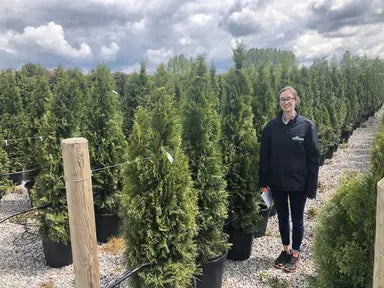
Evergreen hedges give year-round privacy and are a go-to for screening. Native hedging is ideal for wildlife value and a more natural, seasonal look — perfect for country gardens and boundary lines. Explore Native Hedging if you want a mixed, habitat-friendly hedge.
Looking for value?
For clearance and limited-time pricing, visit Hedging Deals. For the widest choice across types, stay on this hub page and filter by size and price.