

Loropetalum Chinensis Black Pearl Ball 60-70cm 18 Litre Pot
Loropetalum Chinensis Black Pearl Ball 60-70cm 18 Litre Pot
Couldn't load pickup availability
About Loropetalum Chinensis Black Pearl Ball 60-70cm 18 Litre Pot
Loropetalum chinense 'Black Pearl', commonly known as Chinese fringe flower, is a striking evergreen shrub prized for its intensely dark, purple-black foliage and vivid bursts of deep pink, fringe-like flowers. Bold, architectural, and surprisingly easy to grow, 'Black Pearl' delivers year-round drama whether planted in a border, gravel garden, or container.
In spring, clusters of slender, tassel-like flowers in rich cerise-pink emerge in striking contrast against the near-black leaves, creating one of the most eye-catching combinations in the shrub garden. As the season progresses, the glossy, oval foliage holds its depth of colour reliably through summer, autumn, and winter, giving the plant genuine four-season appeal and strong structural presence even when not in flower.
Habit & Appearance
Foliage and flower: The leaves of 'Black Pearl' are small, oval, and glossy, emerging in tones of deep burgundy-purple and maturing to an exceptionally dark, near-black hue — some of the darkest foliage available in an evergreen shrub. In spring, the plant is smothered in spidery, fringe-petalled flowers in vivid deep pink, with occasional flushes appearing through summer and into autumn. The contrast between bloom and leaf is truly spectacular.
Growth habit: 'Black Pearl' forms a bushy, rounded mound with a naturally neat, compact habit. New growth emerges with particularly rich colouring, keeping the plant looking fresh and vibrant throughout the growing season. Its manageable size and tidy form make it an excellent choice for smaller gardens as well as larger planting schemes.
Growing Conditions
Position: Plant in full sun to partial shade. Full sun will encourage the most intense foliage colouration and the most prolific flowering. The plant will tolerate partial shade but may produce slightly lighter leaf tones and fewer blooms in lower light. Choose a spot with some shelter from harsh, cold winds, particularly in cooler or more exposed gardens.
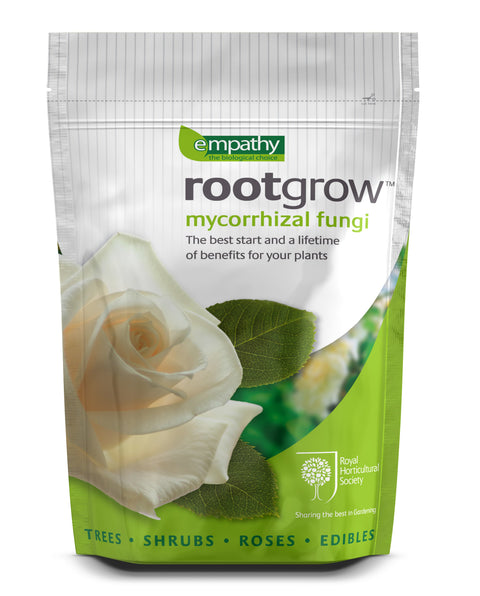
Soil: 'Black Pearl' thrives in moist, free-draining, slightly acidic to neutral soil enriched with organic matter. Like other members of the Loropetalum genus, it performs best in ericaceous conditions. Avoid heavy, waterlogged soils, which can cause root problems. If your garden soil is alkaline, growing in ericaceous compost — either in a raised bed or container — will produce far better results.
Care
Watering: Water regularly after planting to help the shrub establish a strong root system. Once settled in, 'Black Pearl' is reasonably drought-tolerant, but benefits from consistent moisture during prolonged dry spells to maintain healthy growth and vibrant foliage. Avoid waterlogging at the roots.
Pruning: Minimal pruning is required to keep 'Black Pearl' looking its best. Lightly trim or shape the shrub immediately after the main spring flowering flush to encourage a compact, well-branched form and to remove any spent flower stems. Avoid hard pruning into old wood, and resist the urge to cut back heavily, as the natural rounded habit is one of the plant's greatest assets.
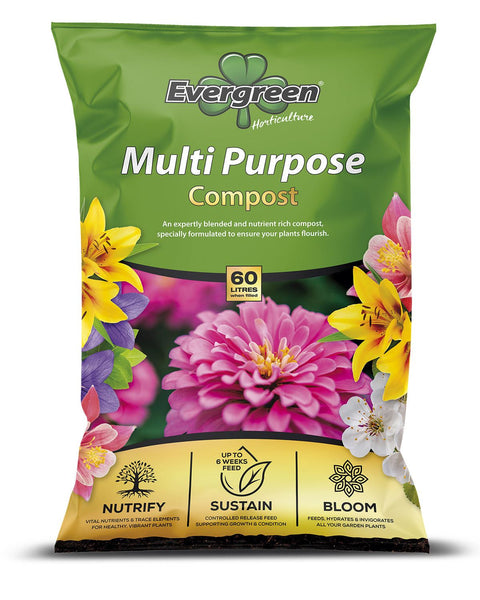
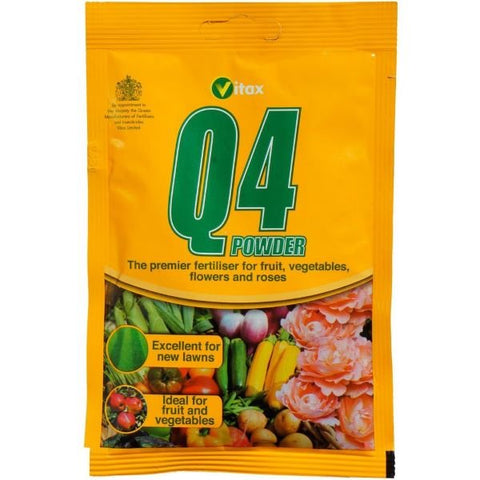
Feeding and mulching: Apply a balanced, slow-release fertiliser formulated for acid-loving plants in early spring to support healthy growth and encourage a generous flowering display. Mulching around the base with ericaceous compost or composted bark helps retain soil moisture, suppress weeds, maintain soil acidity, and protect the roots during colder periods.
Hardiness: 'Black Pearl' is hardy in most sheltered UK gardens but appreciates protection from prolonged hard frosts and biting winds. In colder or more exposed positions, a winter mulch over the root zone provides useful additional protection.
Companion Planting
Planting partners: The near-black foliage of 'Black Pearl' creates outstanding contrast when combined with silver, lime-green, or gold-leaved plants. Pair it with Japanese maples (Acer palmatum) for layered foliage drama, or plant alongside Camellias, Pieris, or Rhododendrons for a cohesive, acid-loving scheme. Underplanting with Heucheras, Hellebores, or ferns adds seasonal depth and textural contrast at the base of the shrub. For a contemporary, bold planting, combine with ornamental grasses or Phormiums to highlight its striking colour and form.
Plants well with
Our growers' picks to plant alongside Loropetalum Chinensis Black Pearl Ball 60-70cm 18 Litre Pot for a fuller, longer-lasting display.
-
Pieris Japonica Flaming Silver 7.5 Litre Pot
Pieris japonica 'Flaming Silver'EvergreenIn stockRegular price £40.50Regular price -
Nandina Domestica Lemon Lime 10 Litre Pot
Nandina domestica 'Lemon Lime'Full sunEvergreenIn stockRegular price £47.50Regular price -
Camellia Japonica Comte De Gomer 1.5 Litre Pot
Camellia japonica 'Comte de Gomer'EvergreenGetting lowRegular price £17.95Regular price -
Heuchera Buttered Rum 2 Litre Pot
Heuchera 'Buttered Rum'Full sunSemi-evergreenGetting lowRegular price £10.35Regular price


