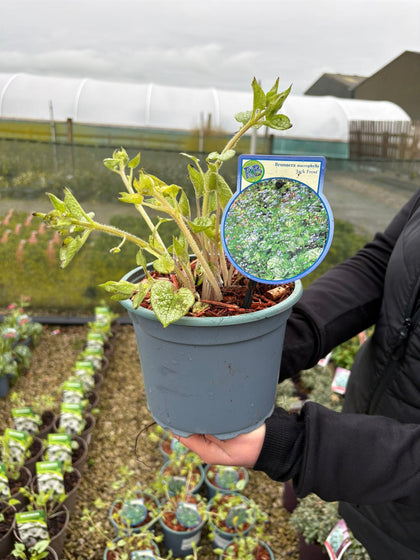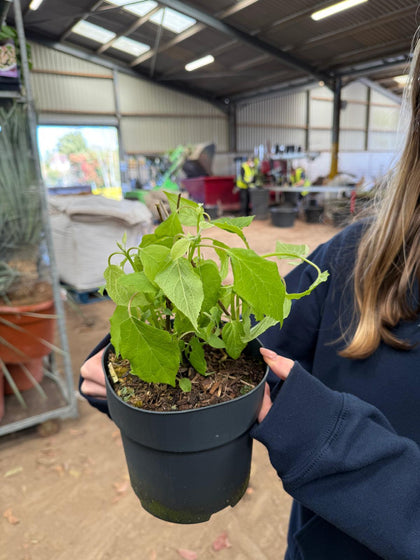
Hazel (Corylus avellana) is a traditional native shrub valued for its fast growth, attractive foliage, and exceptional wildlife benefits. Ideal for natural, informal hedging, it forms a dense, bushy barrier that’s perfect for field boundaries, garden screens, and mixed native hedges.
In early spring, Hazel produces graceful golden catkins before its fresh green leaves emerge, followed by clusters of hazelnuts in autumn — a favourite for wildlife and a treat for foragers. Robust and adaptable, it thrives in most soil types and conditions and responds well to pruning, making it easy to maintain at the desired height and density.
Supplied in 5 litre pots, Hazel is an affordable and effective choice for creating traditional, wildlife-rich hedges.
Key Features:
-
Native deciduous shrub with fast, bushy growth – ideal for informal or mixed hedges
-
Golden spring catkins and autumn hazelnuts provide year-round seasonal interest
-
Excellent for supporting wildlife and biodiversity
-
Hardy, easy to grow, and highly adaptable
Planting & Care:
-
Position: Full sun or partial shade
-
Soil: Any well-drained soil; tolerant of poor or chalky conditions
-
Watering: Water during establishment; low-maintenance once mature
-
Pruning: Coppice or trim in winter to maintain shape and encourage new growth
-
Spacing: Plant 2–3 per metre for a dense hedge
Design Ideas:
-
Plant as part of a mixed native hedge with hawthorn, blackthorn, and field maple
-
Use as a natural garden screen or wildlife corridor
-
Perfect for rural boundaries and traditional hedgerows
Final Thought:
With its fast growth, seasonal beauty, and outstanding wildlife value, Hazel is a timeless choice for natural hedging. It’s a cost-effective and eco-friendly way to create thriving, biodiverse boundaries.
Guide to Planting Field-Grown Root Balled Plants
Pros:
- Established Roots: Typically stronger, established roots ensure better initial growth.
- Immediate Impact: Larger plants provide instant structure and aesthetics.
Cons:
- Heavy and Bulky: Can be difficult to transport and plant due to size and weight.
- Seasonal Availability: Generally available only in the dormant season (autumn to early spring).
Preparation for Planting:
- Unwrap Carefully: Remove any packaging material, but leave the burlap or wire basket on.
- Keep plants moist: Plants should be kept moist until the time of planting.
Planting Process:
- Dig a Hole: Make a hole twice the width of the root ball and the same depth.
- Position Plant: Place the root ball in the hole, ensuring the top is level with the ground surface.
- Do Not Remove Root Sack: Leave the burlap or wire basket around the root ball. It is bio degradable and will rot away naturally.
- Backfill: Fill the hole with soil, firming gently around the roots to eliminate air pockets.
- Water: Water deeply after planting to settle the soil and avoid wilting.
Possibility of Losses:
- Initial Shock: Some plants may suffer transplant shock, leading to potential losses.
- Mitigation: Proper care and consistent watering during the establishment phase can minimise this risk.
Main Causes of Failure:
- Improper Planting Depth: Planting too deep or too shallow can stress the roots.
- Poor Soil Conditions: Compacted or poorly drained soil can hinder root growth.
- Insufficient Watering: Both under-watering and over-watering can lead to plant stress and failure. Strong wind can dry leafy pants.
- Pest and Disease: Lack of protection and monitoring can result in damage from pests and diseases.
Tips for Success:
- Stake Larger Plants: Support with stakes to prevent wind damage.
- Mulch: Apply a layer of mulch around the base to retain moisture and regulate temperature.
- Regular Monitoring: Check for signs of stress, pests, and disease, and address them promptly.
By following these guidelines and providing consistent aftercare, you can successfully plant and establish field-grown root balled plants in your garden.
Does the height include the pot?
No, we measure from the top of the pot to the tip of the plant except for some of the instant planted screens, in this case it will be stated in the description
How long does delivery take?
Most orders are delivered in just a few days, Smaller items are often sent with Parcelforce on a next day service, Larger items should allow up to 10 days due to the size of the items they often have to be sent on our own transport.
Where will you leave my plants?
We will leave your order at the front of your property, Parcelforce may
leave your items in a safe place if you let us know, Pallet couriers
will require a flat hard surface to deliver to, no gravel or soil, a
driveway or parking spot would be best. Most importantly Deliveries by
pallet courier will require access for a large truck (bin lorry sized)
to get near the delivery point. Deliveries sent on our own transport may come in a small van or larger truck.