


Hazel Hedging 2 Litre Pot 60-80cm
Perfect starter, plant 3-4 per metre
Hazel, cobnutCorylus avellana
Pollinator friendly
Pet safe
Full sun, Partial shade
H6 (-20 to -15°C)
4-8m × 4-8m
Deciduous
Yellow
Spring
Chalk, Loam, Sand
South-facing, East-facing, West-facing
Pot Grown
Price:£3.95
| Next band £300 3% off | £500 5% off | £1000 10% off | £2500 15% off |
|---|---|---|---|
| £3.83 each | £3.75 each | £3.55 each | £3.35 each |
Add £300.00 more to reach 3% off.
Availability:
Only 5 left!
Pickup
Pick up from 9am tomorrow
Orders placed today will be ready for pickup from 9am the next business day.
Please wait for your 'Ready to Collect' email before visiting.
FREE DELIVERY WHEN YOU SPEND £400+*
Similar plants, different budgets
From
 Value pick
Beech Hedging Green 125-150cm Bare Root Delivery from November
£3.90
 Value pick
Hawthorn Hedging 2 Litre Pot 40-60cm
£3.75
 Value pick
Beech Hedging Green 100-125cm Bare Root Delivery from November
£2.77
 Upgrade
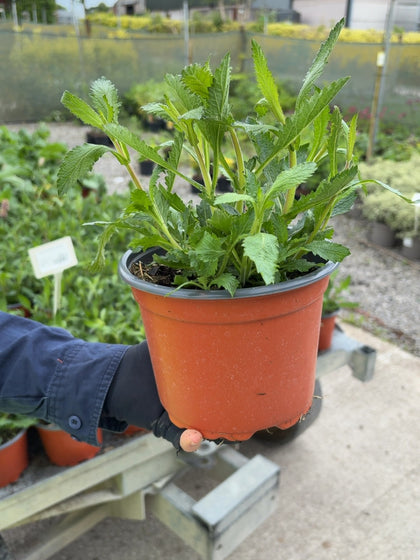
Verbena Bonariensis 2 Litre Pot
£4.30
 Upgrade
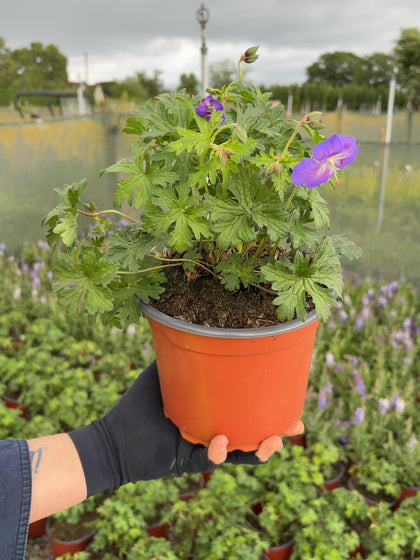
Geranium Johnson's Blue 2 Litre Pot
£4.30
 Upgrade
Stipa Tenuissima Pony Tails 2 Litre Pot
£4.75