
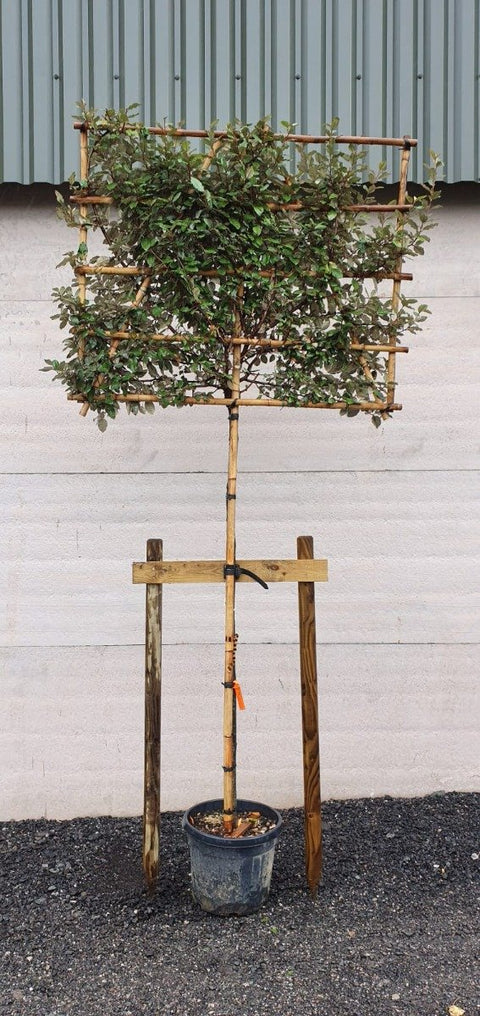

Zelkova Serrata Multi Stem 200-250cm Root Ball
Zelkova Serrata Multi Stem 200-250cm Root Ball
Couldn't load pickup availability
Order now to reserve your plants at today's price. We'll email you with a delivery date as soon as they're ready to dispatch.
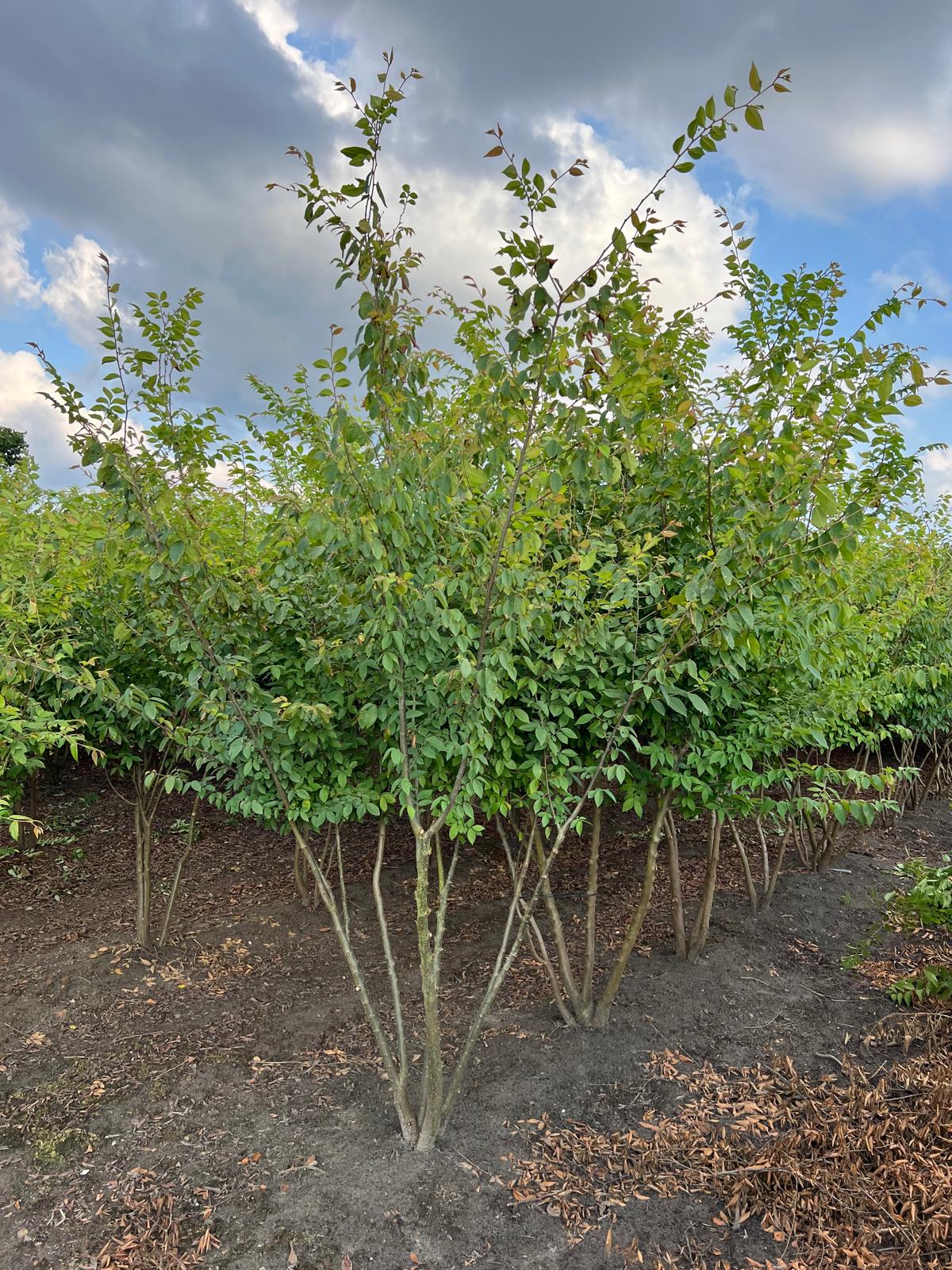

About Zelkova Serrata Multi Stem 200-250cm Root Ball
Zelkova serrata
Japanese Zelkova – Elegant, Hardy Deciduous Tree with Outstanding Autumn Colour
Zelkova serrata, commonly known as Japanese Zelkova, is a graceful, medium to large deciduous tree admired for its vase-shaped habit, handsome serrated foliage, and spectacular autumn colour display. Native to Japan, Korea, and China, it is a close relative of the elm and shares much of its charm — but with considerably greater resilience and a naturally elegant form that suits both specimen planting and avenue use.
Through spring and summer, the canopy of sharply toothed, dark green leaves provides dense, attractive cover. As temperatures drop in autumn, the foliage transforms into a vivid tapestry of golden yellow, russet orange, and deep red, making this one of the most rewarding trees for seasonal interest. In winter, the attractive branching structure and smooth grey-brown bark — which flakes attractively with age — ensure continued visual appeal even when bare.
Seasonal Interest & Growth
Spring:
Fresh green foliage emerges with a slightly textured, serrated edge.
Small, inconspicuous flowers appear alongside the new leaves.
Summer:
Dense, spreading canopy of deep green foliage provides excellent shade.
The characteristic vase-shaped crown becomes well defined.
Autumn:
Foliage turns vivid shades of yellow, orange, and red — one of the finest autumn displays of any hardy tree.
Winter:
Attractive multi-stem branching framework is revealed.
Flaking grey and orange-tinged bark adds ornamental interest.
Structure & Form
Habit: Broadly vase-shaped; spreading, multi-branched crown
Foliage: Dark green, oval leaves with sharply serrated margins; smooth upper surface
Bark: Smooth grey-brown, peeling to reveal orange-brown patches with age
Flowers: Small, inconspicuous; appearing in spring
Autumn colour: Outstanding — yellow, orange, and deep red
Growth rate: Moderate to fast once established
Growing Conditions
Position: Full sun to partial shade; thrives in an open, well-lit site
Soil: Adaptable to most well-drained soils, including clay, loam, and chalk; tolerates moist conditions but dislikes waterlogging
Hardiness: Fully hardy — tolerates cold, wind, drought, and urban pollution once established
Shelter: Young trees benefit from some protection from severe frost in the first year or two; mature specimens are very tough
Care
Watering: Water regularly during the first growing season to help establish a strong root system; drought tolerant once settled in
Feeding: Apply a balanced general-purpose fertiliser or mulch of well-rotted compost in spring to encourage healthy growth
Pruning: Minimal pruning required — Zelkova naturally develops a well-balanced structure. Remove any crossing, damaged, or congested branches in late winter while dormant. Avoid heavy pruning unless necessary
Staking: Stake young trees for the first two to three years until sufficiently anchored
Why Choose Japanese Zelkova?
Spectacular autumn colour — one of the finest of any large hardy tree
Elegant year-round form — beautiful vase shape with ornamental winter bark
Tough and adaptable — tolerates urban pollution, drought, and a range of soil types
Elm-like beauty without elm disease — a resilient and practical alternative
Excellent as a specimen or avenue tree — a long-lived, low-maintenance addition to any landscape