
Rootball pre-order discount ends soon
Reserve rootball hedging now at pre-order prices — dug fresh and delivered when the season starts in October.


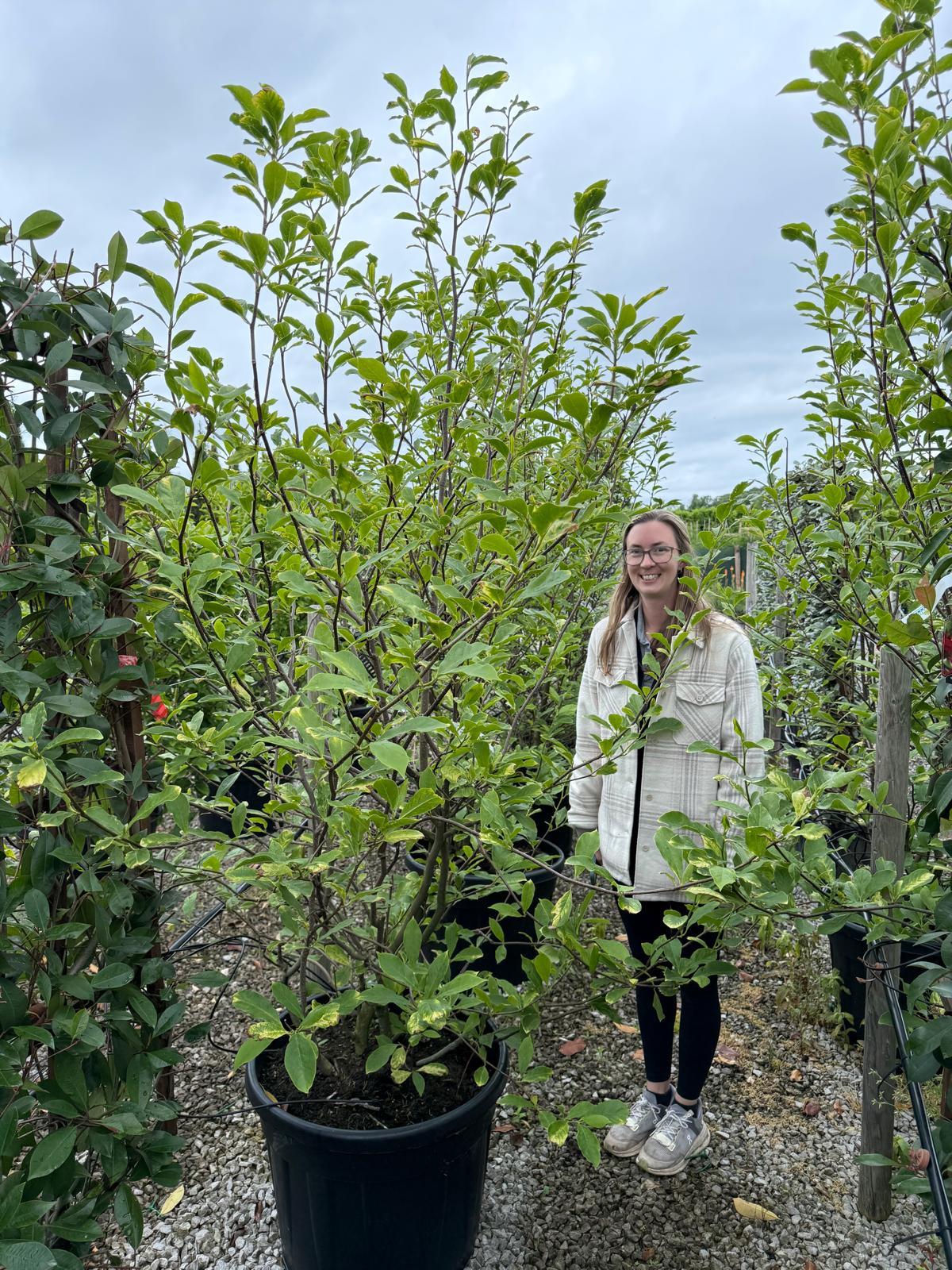
About Magnolia Soulangeana 175/200cm Specimen Sized
Magnolia × soulangeana – Spectacular Spring Blossom for Every Garden
Magnolia × soulangeana, known as the Saucer Magnolia or Tulip Magnolia, is a much-loved ornamental tree celebrated for its breathtaking spring display. Bursting into bloom with large, goblet-shaped flowers before the leaves appear, it transforms gardens into a spectacle of soft pink, white, and purple tones.
Graceful, timeless, and easy to grow, this deciduous magnolia is a statement piece that brings elegance and seasonal drama to gardens of all sizes.
Why Grow Magnolia × soulangeana?
1. Unforgettable Spring Display
Masses of striking, saucer-shaped blooms (10–20 cm across) appear in early spring, often before leaves emerge, creating a breathtaking floral show. Shades range from blush pink and creamy white to deep rose and mauve.
2. Elegant Form & Structure
With its rounded, spreading crown and smooth grey bark, Magnolia × soulangeana makes a graceful specimen tree, providing architectural beauty even in winter.
3. Perfect Scale for Any Garden
Typically reaching 4–6 m tall and wide (and sometimes up to 8 m), it’s ideal for gardens large or small—whether as a standalone feature tree or as part of a mixed border.
4. Low Maintenance & Long-Lived
Once established, this magnolia is remarkably low-care and long-lived, rewarding minimal effort with decades of spring splendour.
5. Wildlife Value
The early flowers offer an important nectar source for pollinators emerging from winter, adding ecological value to its ornamental appeal.
How to Grow Magnolia × soulangeana
Position:
Plant in full sun or light shade in a sheltered spot, protected from strong winds and late frosts, which can damage early blooms.
Soil:
Prefers fertile, well-drained, slightly acidic to neutral soil. Avoid very chalky soils unless improved with organic matter.
Watering:
Water regularly during the first growing season. Once established, it is moderately drought-tolerant but appreciates moisture during dry spells.
Pruning:
Minimal pruning is needed. Remove only dead or crossing branches immediately after flowering to avoid damaging next year’s buds.
Growth Habit:
A small tree or large multi-stemmed shrub with a rounded, spreading shape. New leaves emerge after flowering, turning from fresh green to golden-brown in autumn.
Hardiness:
Fully hardy across most of the UK (H5). Flower buds may be susceptible to late spring frosts in colder regions.
Design Ideas
-
Use as a specimen tree on a lawn or courtyard for maximum impact.
-
Combine with early bulbs like crocus or daffodils to enhance the spring display.
-
Underplant with shade-tolerant perennials such as hellebores or hostas.
-
Plant near patios or entrances where its spring fragrance and beauty can be appreciated up close.
Final Thought
With its spectacular spring flowers, graceful structure, and dependable nature, Magnolia × soulangeana is a true garden classic. Whether as a focal point in a small garden or a standout feature in a larger landscape, it brings a sense of drama, elegance, and seasonal joy that few plants can match.