
Magnolia G. Gallisoniensis 18 Litre Pot 120cm +
Magnolia G. Gallisoniensis 18 Litre Pot 120cm +
Couldn't load pickup availability
About Magnolia G. Gallisoniensis 18 Litre Pot 120cm +
Magnolia × soulangeana 'Gallisoniensis' – A Classic Saucer Magnolia with Abundant Early-Season Blooms
Magnolia × soulangeana 'Gallisoniensis' is a wonderfully showy deciduous tree or large shrub, celebrated for its generous display of large, goblet-shaped flowers that emerge on bare branches in early to mid-spring. The blooms are a soft rosy-pink to pale purple on the outside, fading to creamy white within, creating a two-toned effect that is both elegant and eye-catching.
'Gallisoniensis' is one of the earlier-flowering forms of the saucer magnolia group, often producing its first blooms while winter is still giving way to spring. Its broad, spreading habit and bold, architectural presence make it a superb specimen tree for lawns, borders, or as the centrepiece of a garden planting scheme. As the season progresses, large, rich green leaves emerge to provide a handsome canopy through summer and autumn.
A reliable and garden-worthy cultivar, 'Gallisoniensis' combines classic magnolia charm with robust garden performance, making it a much-loved choice for gardeners seeking a spectacular spring flowering tree.
Why Choose Magnolia × soulangeana 'Gallisoniensis'?
Spectacular Early Spring Flowers – One of the standout qualities of 'Gallisoniensis' is its ability to flower prolifically before the leaves appear, delivering a dramatic burst of colour at one of the quieter times in the garden calendar. The large, saucer-shaped blooms in shades of pink, purple, and white create a truly breathtaking display.
Classic Two-Toned Blooms – The flowers are distinguished by their beautifully contrasting colouration — rich rosy-purple on the exterior petals and soft, creamy white on the inner surfaces. This bicolour effect gives each flower a jewel-like quality that catches the light beautifully.
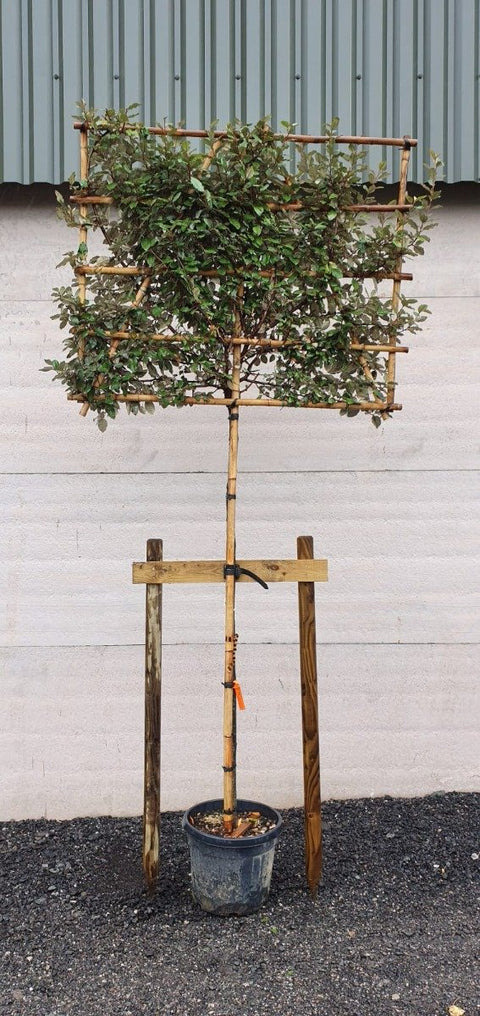
Bold Architectural Form – With its broad, spreading canopy and strong branch structure, this magnolia adds genuine presence and structure to the garden. It works equally well as a multi-stemmed shrub or trained as a single-stemmed tree, offering flexibility in how it is grown and displayed.
Attractive Foliage After Flowering – Once the flowers have finished, large, glossy mid-green leaves emerge to maintain garden interest right through to autumn. The foliage provides a lush, verdant backdrop for surrounding plantings throughout the warmer months.
Long-Lived and Reliable – Saucer magnolias are among the most dependable flowering trees for temperate gardens. Once established, 'Gallisoniensis' requires very little intervention and will reward gardeners with an increasingly magnificent display year upon year.
Wildlife Value – The early blooms provide a valuable nectar source for bees and other pollinators emerging in spring, giving this ornamental tree an ecological benefit alongside its considerable aesthetic appeal.
Growing Conditions
Position: Plant in a site that receives full sun to partial shade for the best flowering performance. A sheltered spot is strongly recommended — protection from cold, drying winds and late frosts is particularly important, as the early blooms can be damaged by sharp frosts. A south- or west-facing aspect against a wall or fence is ideal in cooler or more exposed gardens.
Soil: 'Gallisoniensis' performs best in fertile, moisture-retentive but well-drained soil with a slightly acidic to neutral pH. It dislikes shallow, chalky soils and waterlogged conditions. Enriching the planting area with plenty of organic matter — such as well-rotted leaf mould or garden compost — will help establish a strong root system and encourage robust flowering.
Hardiness: Magnolia × soulangeana cultivars are generally hardy across most of the UK and temperate regions, though the early flowers remain susceptible to late frost damage. Where possible, avoid planting in frost pockets or positions exposed to early morning sun, which can cause frosted blooms to thaw too rapidly and discolour.
Care
Watering: Keep the soil consistently moist, particularly during the first few years after planting while the root system is establishing. In prolonged dry spells, deep, thorough watering will help maintain healthy growth and support good flowering the following season. Once mature, 'Gallisoniensis' is reasonably tolerant of drier conditions, but will always benefit from moisture during dry summers.
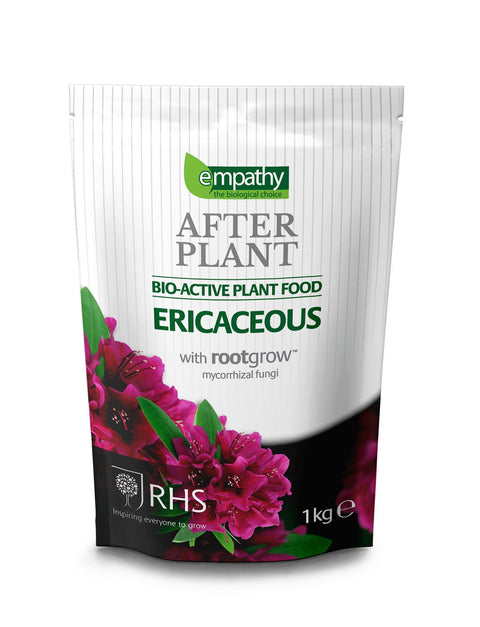
Feeding: Apply a balanced, slow-release fertiliser formulated for acid-loving plants in early spring as growth begins. An annual mulch of well-rotted organic matter around the base of the plant will also help retain soil moisture, suppress weeds, and gradually improve soil fertility. Keep mulch clear of the main stem to avoid any risk of rot.
Pruning: Magnolia × soulangeana cultivars require very little pruning and are best left to develop their natural form. If shaping or the removal of dead, damaged, or crossing branches is necessary, carry this out immediately after flowering in late spring or early summer — never in autumn or winter, as this risks removing the following season's flower buds and can also leave wounds vulnerable to disease. Avoid heavy pruning wherever possible, as magnolias can be slow to recover from significant cuts.
Mulching: Apply a generous layer of organic mulch around the root zone each spring to conserve moisture, regulate soil temperature, and feed the soil as it breaks down. This is especially beneficial in the first few years after planting and during periods of summer heat.
Design & Planting Ideas
Specimen Tree or Shrub – 'Gallisoniensis' is most powerfully used as a standalone specimen in a lawn or open border, where its spreading canopy and spectacular spring
Plants well with
Our growers' picks to plant alongside Magnolia G. Gallisoniensis 18 Litre Pot 120cm + for a fuller, longer-lasting display.
-
Camellia Japonica Comte De Gomer 1.5 Litre Pot
Camellia japonica 'Comte de Gomer'EvergreenGetting lowRegular price £17.95Regular price -
Easydendron (Rhodendron) Grazeasy Purple 10 Litre Pot
Partial shadeEvergreenGetting lowRegular price £49.50Regular price -
Helleborus Hyb.Harvington Double White 2 Litre Pot
Helleborus × hybridus Harvington double white (d)Partial shadeSemi-evergreenGetting lowRegular price £7.50Regular price


