

Magnolia Blue Opal 10 Litre Pot 1/4 Standard
Magnolia Blue Opal 10 Litre Pot 1/4 Standard
Couldn't load pickup availability
About Magnolia Blue Opal 10 Litre Pot 1/4 Standard
Magnolia 'Blue Opal' – Rare Elegance with a Cool Lavender-Blue Glow
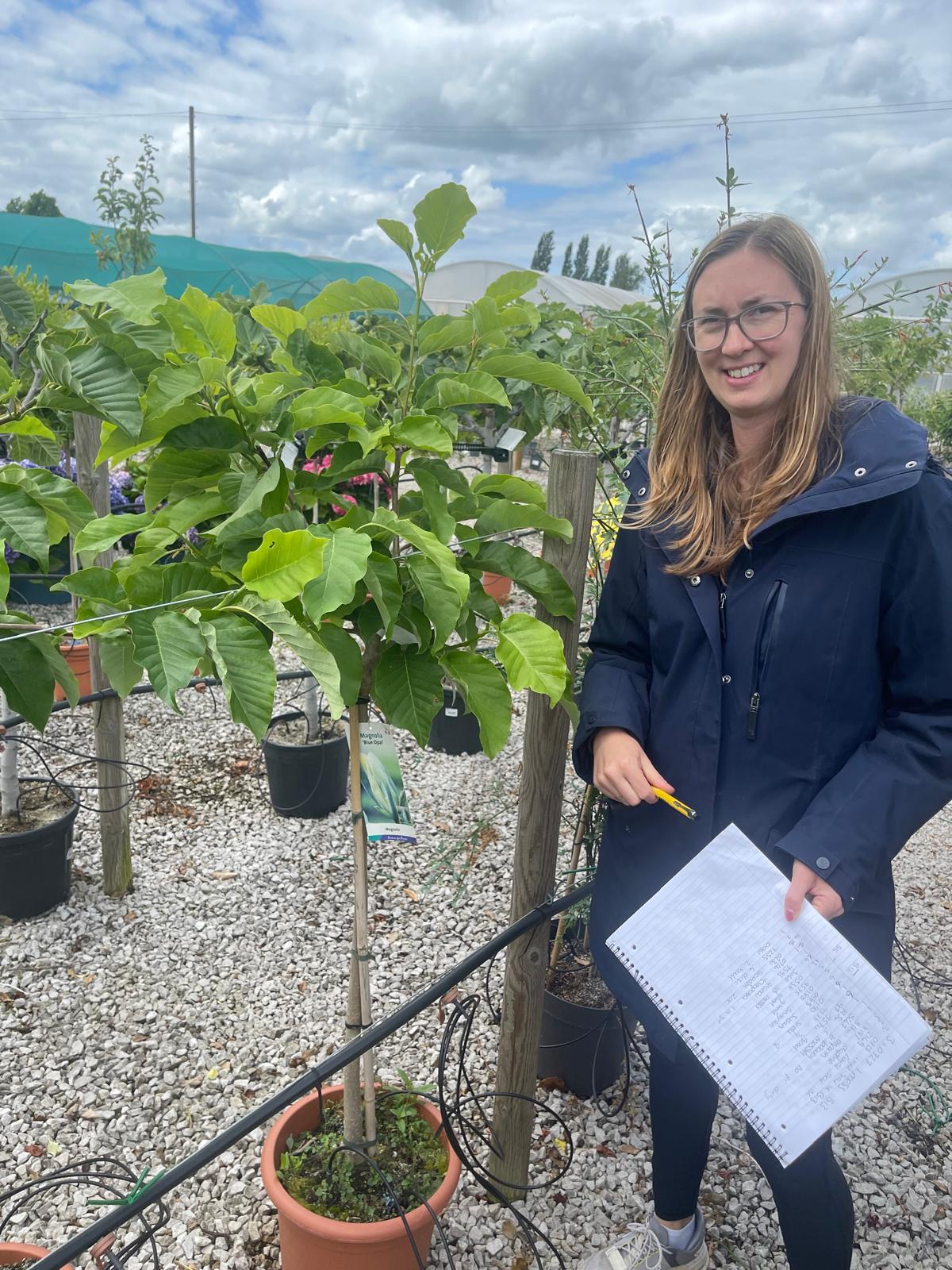
Magnolia ‘Blue Opal’ is a distinctive and elegant deciduous magnolia, prized for its unique lavender-blue, goblet-shaped flowers that appear in early spring before the leaves unfurl. This rare cultivar adds a cool, contemporary twist to traditional magnolias, offering striking floral display and graceful form. Ideal as a standalone feature, it brings poise and seasonal drama to gardens of all sizes.
Seasonal Beauty & Growth
Spring:
-
A standout spring feature, producing large, upward-facing goblet flowers in a soft lavender-blue shade with silvery undertones.
-
Blooms appear on bare branches, creating a dramatic and sculptural display before the foliage emerges.
-
One of the first signs of spring, offering early-season interest and a burst of elegance.
Summer:
-
After flowering, large, mid-green, ovate leaves emerge, creating a fresh, full canopy.
-
The tree develops a naturally upright, rounded habit, perfect for focal points in lawns or borders.
-
Offers shade and structure through the warmer months.
Autumn:
-
Foliage takes on golden-bronze tones before falling, offering a final note of seasonal colour.
-
The elegant branch structure is revealed as the leaves drop, extending its visual interest.
Winter:
-
Bare branches provide a strong architectural form in the winter landscape.
-
Dormant buds form in anticipation of the next spring’s bloom.
Structure & Form
-
Form: Upright to gently spreading habit, forming a multi-stemmed or single-trunked small tree or large shrub.
-
Growth Habit: Graceful and well-proportioned, ideal for both formal and informal gardens.
Perfect for Various Landscapes
-
Specimen Tree: A perfect focal point in lawns, courtyards, or front gardens.
-
Mixed Borders: Combine with spring bulbs and flowering shrubs for a layered seasonal display.
-
Contemporary Gardens: The rare flower colour suits minimalist or modern designs.
-
Smaller Spaces: Compact enough for medium gardens or large containers when young.
Growing Conditions & Care
-
Position: Best in full sun or partial shade, sheltered from strong winds and late frosts.
-
Soil: Prefers moist, well-drained, slightly acidic to neutral soil; avoid chalky conditions.
-
Maintenance: Low maintenance once established. Mulch annually to retain moisture and suppress weeds. Prune lightly only if necessary after flowering.
-
Hardiness: Hardy in most parts of the UK, though young plants benefit from protection in colder areas.
Why Choose Magnolia 'Blue Opal'?
Magnolia ‘Blue Opal’ is a rare and refined magnolia, perfect for those seeking something a little different. Its lavender-blue blooms are a true conversation piece, offering a unique twist on spring colour. With an elegant structure, easy care, and stunning seasonal interest, it's a standout tree for any stylish garden.
Perfect Plant Combinations
-
Underplanting: Use spring bulbs like Crocus, Narcissus, or Scilla for a complementary early-season display.
-
Shrub Companions: Pair with acid-loving shrubs like Rhododendrons or Pieris to echo its woodland charm.
-
Foliage Contrast: Combine with ferns or Heuchera for colour and texture at ground level.
-
Structure Plants: Place near evergreen topiary or clipped forms to contrast its natural shape.