


Erica Kramer's Red 2 Litre Pot
Erica Kramer's Red 2 Litre Pot
Couldn't load pickup availability


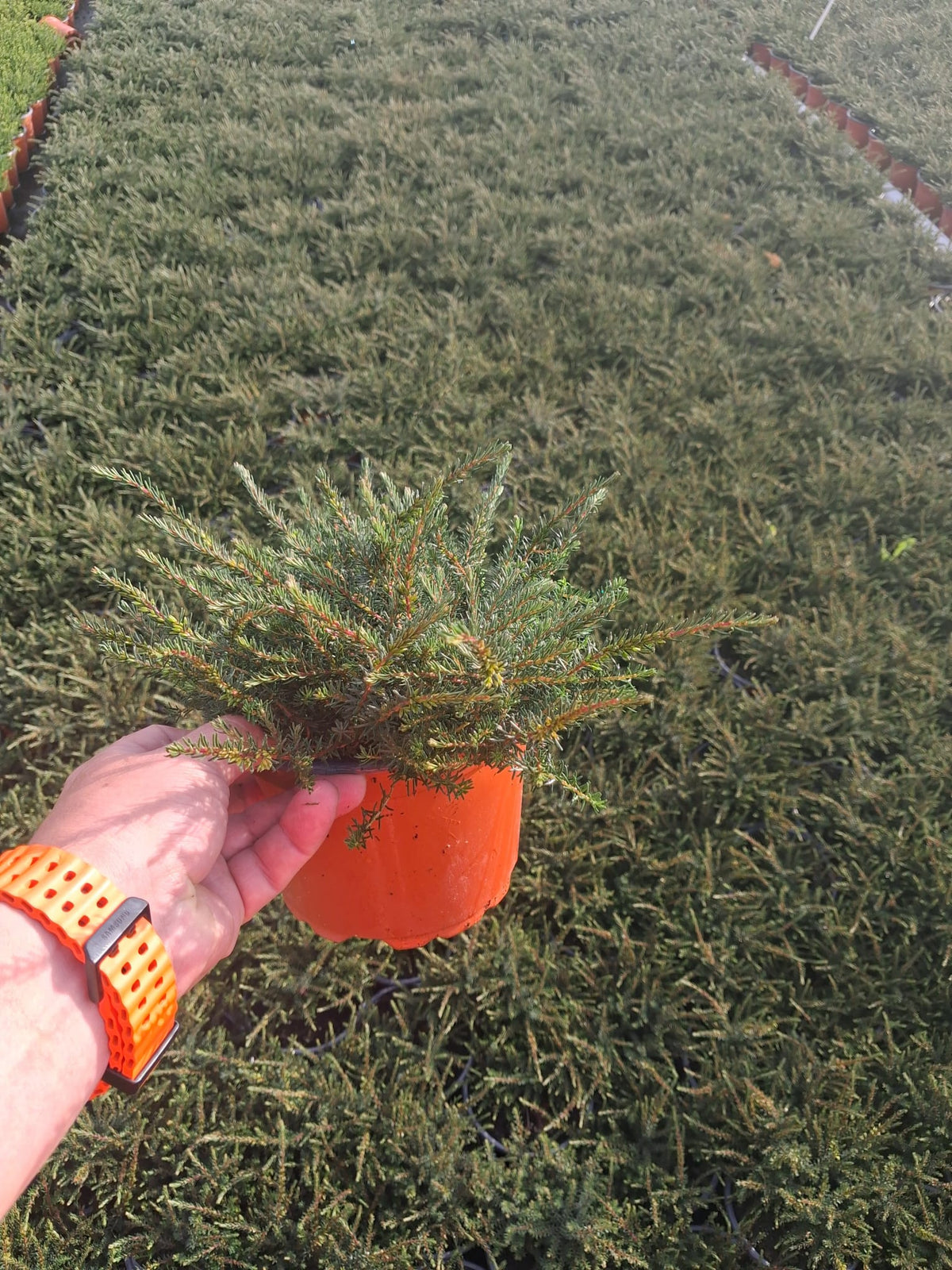
About Erica Kramer's Red 2 Litre Pot
Erica carnea 'Kramer's Red' (Winter Heath) – A Striking, Hardy Evergreen Shrub with Deep Crimson-Red Winter Flowers
Erica carnea 'Kramer's Red', commonly known as Winter Heath, is one of the most richly coloured of all the winter-flowering ericas. This compact, mat-forming evergreen shrub produces dense spikes of deep magenta-red, bell-shaped flowers from midwinter through to early spring, delivering a bold and vivid display at a time of year when the garden is at its most subdued. Its dark, bronze-tinted, needle-like foliage provides an attractive backdrop to the intense flower colour and gives the plant year-round ornamental value. Fully hardy, easy to grow, and reliably free-flowering, 'Kramer's Red' is an outstanding choice for rockeries, heather gardens, the front of mixed borders, or as low ground cover in a wide variety of garden settings.
Why Grow Erica carnea 'Kramer's Red'?
Exceptionally Rich Flower Colour – 'Kramer's Red' is widely regarded as one of the deepest and most striking reds available among winter heaths. Its vivid magenta-crimson blooms emerge in midwinter and persist well into early spring, providing intense colour and a welcome lift to the garden during its bleakest months.
Dark, Ornamental Foliage – The fine, needle-like leaves carry a distinctive dark bronze-green tone, particularly as temperatures drop in autumn and winter. This rich, dark colouring sets off the deep red flowers beautifully and ensures the plant remains visually interesting throughout the year, even when not in bloom.
Low, Spreading Habit – 'Kramer's Red' forms a neat, dense, low-growing mat of foliage, making it ideal for carpeting the ground, filling gaps at the front of borders, or tumbling over the edges of raised beds and rockeries. Its naturally tidy, spreading form requires very little shaping to look its best.
Fully Frost-Hardy – As a cultivar of Erica carnea, 'Kramer's Red' is among the hardiest of all the heaths and is fully capable of withstanding a typical British or northern European winter. Its flowers are notably resilient in cold and frosty conditions, continuing to perform reliably even through sharp overnight frosts.
Tolerance of Alkaline Soils – Unlike many ericaceous plants, Erica carnea cultivars including 'Kramer's Red' show a useful and well-documented tolerance of slightly alkaline and neutral soils, making this an accessible and versatile choice for gardeners who do not have naturally acidic ground.
Wildlife-Friendly – The nectar-rich flowers appear early in the season and provide a valuable food source for bumblebees and other pollinators venturing out on mild late-winter days, making 'Kramer's Red' a worthwhile addition to any wildlife-supportive planting scheme.
Growing Conditions
Position – 'Kramer's Red' thrives best in an open, sunny position where it will receive full sun for the majority of the day. Good light encourages the most prolific flowering, the deepest foliage colour, and the most compact, bushy habit. Light partial shade can be tolerated, but deep or heavy shade should be avoided, as it tends to cause the plant to become loose and open in habit and will reduce the quality and quantity of flowering.
Soil – Prefers well-drained, acidic to neutral soil with a reasonable level of organic matter. One of the most notable qualities of Erica carnea 'Kramer's Red' is its tolerance of neutral and even slightly alkaline soils, which sets it apart from many of its relatives. It will always perform best in free-draining, humus-rich ground, and heavy, waterlogged or compacted soils should be avoided as these can cause root rot and poor vigour. On heavier soils, incorporating horticultural grit and ericaceous compost at planting time will greatly improve drainage and create more suitable root conditions.
Watering – Water regularly after planting to help the root system become well established. Once settled, 'Kramer's Red' is reasonably drought-tolerant and will typically manage well on natural rainfall in most parts of the UK. During extended dry periods in summer, supplementary watering will help to maintain healthy growth and keep the plant in good condition ahead of its winter flowering season.
Care
Pruning – Light trimming immediately after flowering in spring is the single most important maintenance task for 'Kramer's Red'. Using garden shears or scissors, clip back the flowered shoots by approximately two-thirds, cutting just behind the spent flower spikes and taking care not to cut back into old, bare, woody growth, which is unlikely to regenerate reliably. This annual trim keeps the plant dense and compact, prevents it from becoming woody and open over time, and promotes a vigorous flush of new growth that will carry the following season's flower buds.
Mulching – Applying a layer of ericaceous bark mulch or composted pine needles around the base of the plant in spring helps to retain soil moisture, suppress weed competition, and maintain the cool, slightly acidic root conditions in which 'Kramer's Red' flourishes. Take care to keep the mulch clear of the plant's central stems to reduce the risk of rotting at the base.
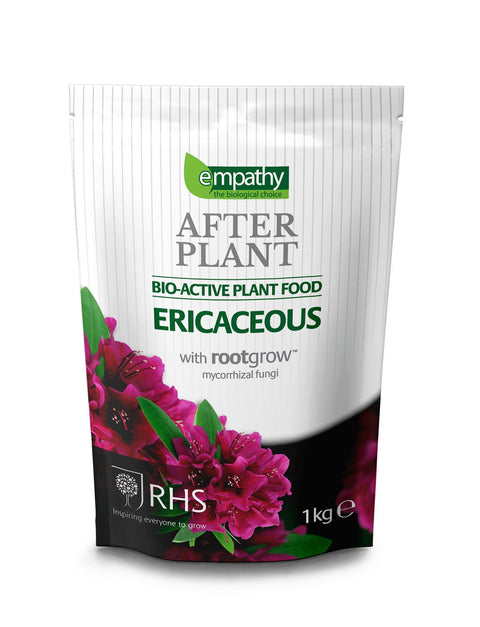
Feeding – Apply a specialist ericaceous fertiliser in early spring, just as new growth begins to emerge, to support healthy development and encourage a generous flowering display. Avoid general-purpose fertilisers with high alkaline or high-phosphate content, as these can interfere with nutrient uptake
Plants well with
Our growers' picks to plant alongside Erica Kramer's Red 2 Litre Pot for a fuller, longer-lasting display.
-
Juniperus Blue Arrow 10 Litre Pot
Juniperus scopulorum 'Blue Arrow'Full sunEvergreenIn stockRegular price £45.00Regular price -
Pinus L. Compact Gem 5 Litre Pot
Pinus heldreichii 'Compact Gem'Full sunEvergreenGetting lowRegular price £43.50Regular price -
Pieris Japonica Flaming Silver 7.5 Litre Pot
Pieris japonica 'Flaming Silver'EvergreenIn stockRegular price £40.50Regular price

