
-
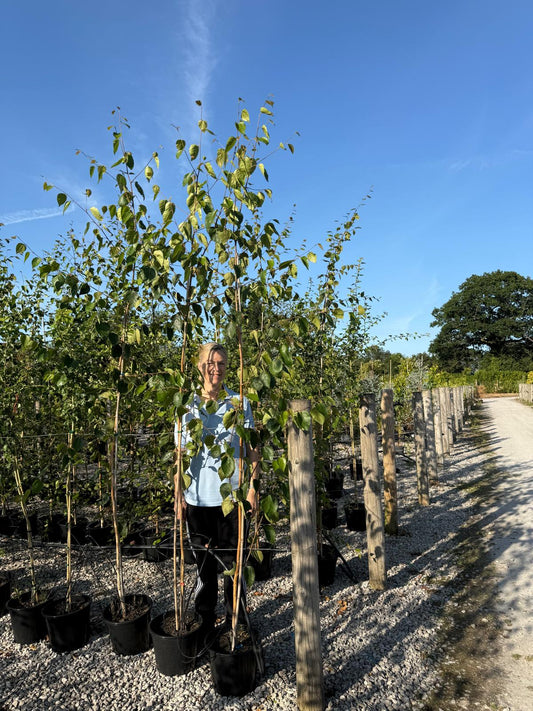
Betula Utilis Jacquemontii 8-10 Girth Root Ball Delivery From November
Betula utilis var. jacquemontiiFull sunDeciduousPre-orderRegular price £123.50Regular price£137.00Sale price £123.50Sale -
Betula Utilis Jacquemontii Feathered Tree 6/8cm
Betula utilis var. jacquemontiiFull sunDeciduousIn stockRegular price £107.00Regular price -
Betula Utilis Multi Stem 200-250cm
Betula UtilisFull sunDeciduousIn stockRegular price £223.50Regular price£247.80Sale price £223.50Sale -
Betula Utilis Multi Stem 250/300cm Root Ball Delivery From November Onwards
Betula utilisFull sunDeciduousPre-orderRegular price £283.50Regular price£315.00Sale price £283.50Sale -
Betula utilis var. jacquemontii 'Doorenbos' 7.5 Litre Pot 200cm
Betula utilisFull sunDeciduousIn stockRegular price £24.35Regular price -
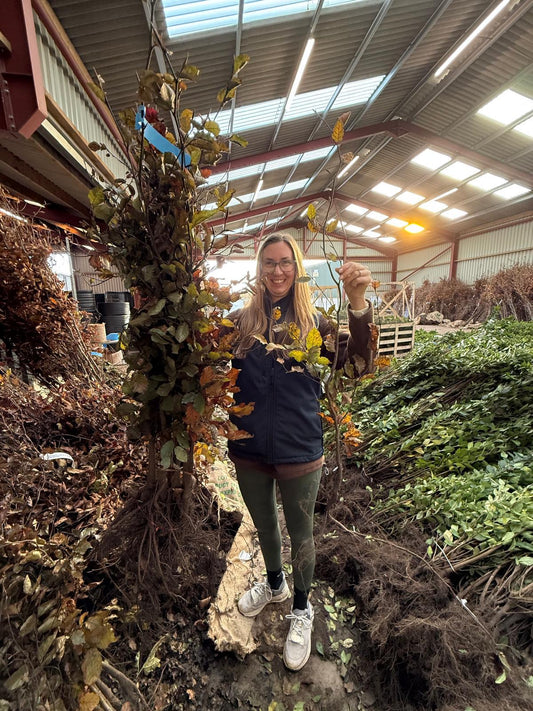
Big Deal 100 x Copper Beech Hedging 80-100cm Bare Root Delivery November
Fagus sylvatica 'Atropurpurea'Full sunDeciduousPre-orderRegular price £616.25Regular price£725.00Sale price £616.25Sale -
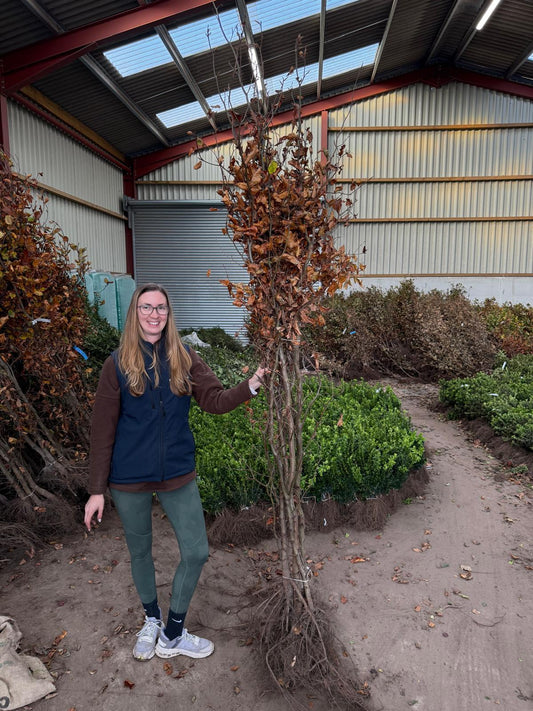
Big Deal 50 x Beech Hedging Green Bare Root 175-200cm Delivery From November
Fagus sylvaticaFull sunDeciduousPre-orderRegular price £450.50Regular price£530.00Sale price £450.50Sale -
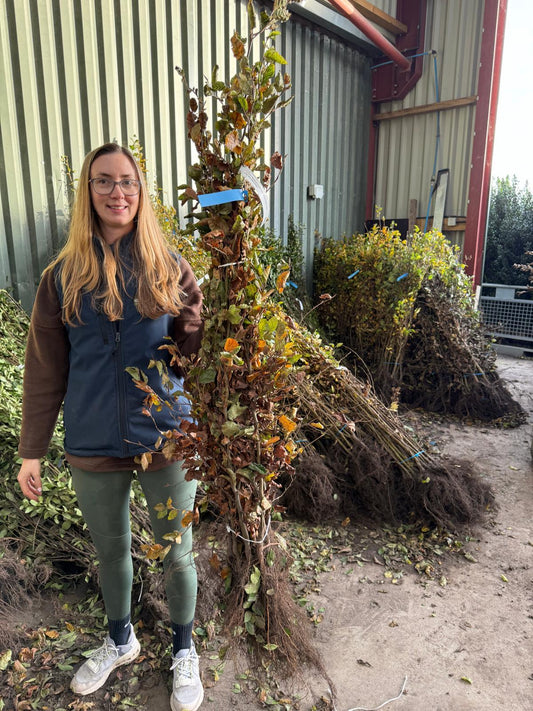
Big Deal Beech Hedging Green 100-125cm Bare Root x 200 Delivery from November
Fagus sylvaticaFull sunDeciduousPre-orderRegular price £459.00Regular price£540.00Sale price £459.00Sale -
Big Deal Beech Hedging Green 125-150cm Bare Root x 100 Delivery from November
Fagus sylvaticaFull sunDeciduousPre-orderRegular price £331.50Regular price£390.00Sale price £331.50Sale -
Big Deal Beech Hedging Green 150-175cm Bare Root x 200 Delivery from November
Fagus sylvaticaFull sunDeciduousPre-orderRegular price £1,343.00Regular price£1,580.00Sale price £1,343.00Sale










1. Native and Common Trees
- Oak Species (Quercus robur, Quercus petraea): Native to the UK, these are long-lived trees that can store substantial amounts of carbon over centuries.
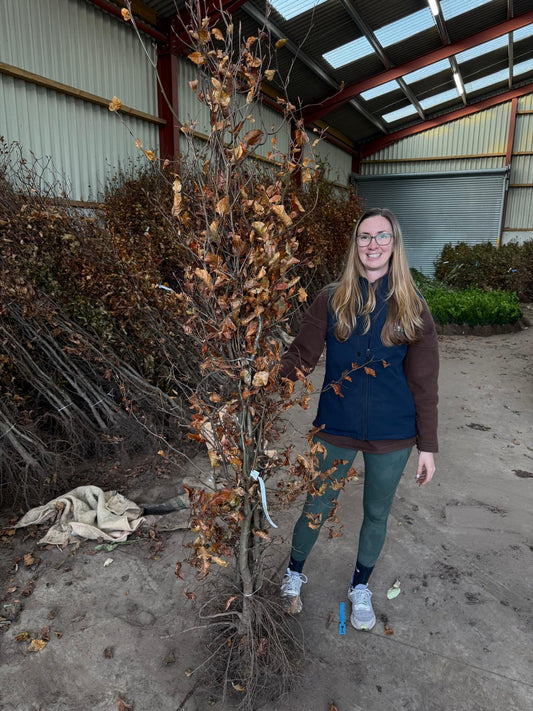
- European Beech (Fagus sylvatica): A prevalent tree in the UK that grows large and dense, effectively capturing carbon.
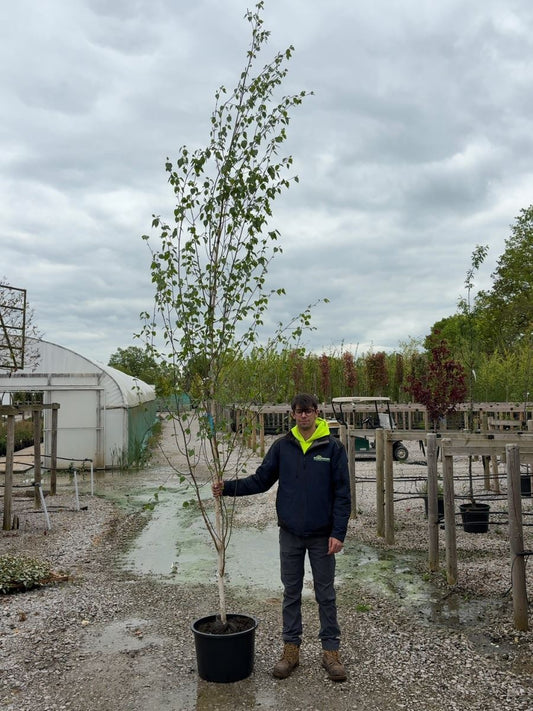
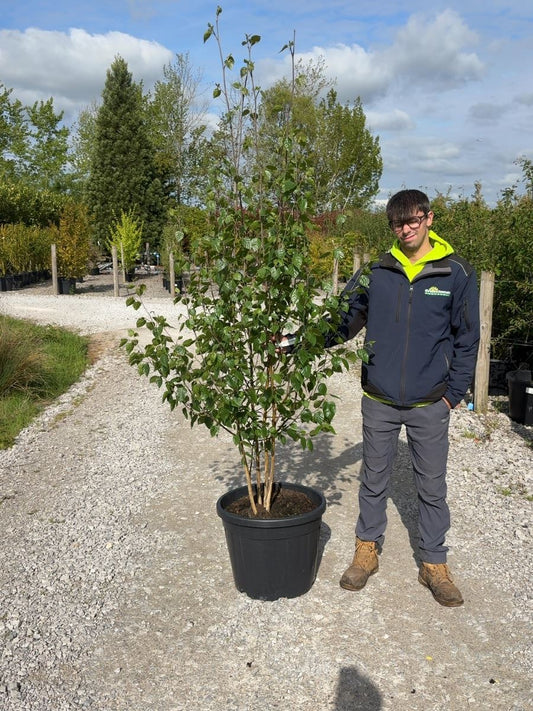
- Silver Birch (Betula pendula): A fast-growing native tree that helps with carbon capture and enhances biodiversity.
- Scots Pine (Pinus sylvestris): The only native pine in the UK, it’s well-suited for carbon sequestration and thrives in varied soil types.
2. Coniferous Trees
- Norway Spruce (Picea abies): Commonly grown in the UK, effective for carbon capture and used for reforestation.
- Douglas Fir (Pseudotsuga menziesii): Often planted in the UK for timber, it grows quickly and stores significant carbon.
- Western Red Cedar (Thuja plicata): This species is suitable for the UK climate and contributes effectively to carbon storage.
3. Broadleaf Deciduous Trees
- Sweet Chestnut (Castanea sativa): Non-native but widely naturalized in the UK, known for fast growth and good carbon capture potential.
- Common Alder (Alnus glutinosa): A native tree that grows quickly and thrives in damp soils, improving soil quality and capturing carbon efficiently.
- Field Maple (Acer campestre): The UK’s only native maple species; smaller in stature but still valuable for carbon capture and wildlife support.
4. Evergreen Broadleaf Trees
- Holm Oak (Quercus ilex): A hardy evergreen oak that captures carbon year-round and adapts well to the UK climate.
- Yew (Taxus baccata): Though slow-growing, this native evergreen can live for centuries, storing carbon effectively over long periods.
5. Fast-Growing and Ornamental Trees
- Hybrid Poplar (Populus spp.): Often planted for timber and environmental projects in the UK due to rapid growth and high carbon uptake.
- Willow (Salix spp.): Particularly suitable for wetter areas; willows grow quickly and contribute to effective carbon storage.
6. Coastal and Wetland Trees
- Alder (Alnus glutinosa): Ideal for planting in damp or flood-prone areas, contributing to soil stabilization and carbon capture.
- Sea Buckthorn (Hippophae rhamnoides): A shrub or small tree that thrives in coastal areas and supports biodiversity while sequestering carbon.
Key Considerations for the UK Climate:
- Adaptability: Choose species that can withstand the UK's variable climate, from mild and wet conditions to occasional dry spells.
- Biodiversity Support: Many native UK trees, like oaks and birches, support local wildlife while capturing carbon.
- Long-Term Planning: Planting a mix of tree species encourages forest resilience and long-term carbon storage.
Planting these trees across gardens, public spaces, and reforestation projects helps enhance carbon sequestration efforts and supports local ecosystems.