
-
Tilia Henryana 35 Litre Pot
Tilia henryanaDeciduousIn stockRegular price £89.50Regular price -
Tilia platyphyllos Rubra 35 Litre Pot
Tilia platyphyllos 'Rubra'Full sunDeciduousGetting lowRegular price £89.50Regular price -
Tilia C. Greenspire Standard 8-10cm Girth
Tilia C. GreenspireFull sunDeciduousIn stockRegular price £118.00Regular price -
Tilia C. Greenspire Heavy Standard 10-12cm Girth Root Ball Delivery From November Onwards
Tilia cordata 'Greenspire'Full sunDeciduousPre-orderRegular price £151.00Regular price£168.00Sale price £151.00Sale

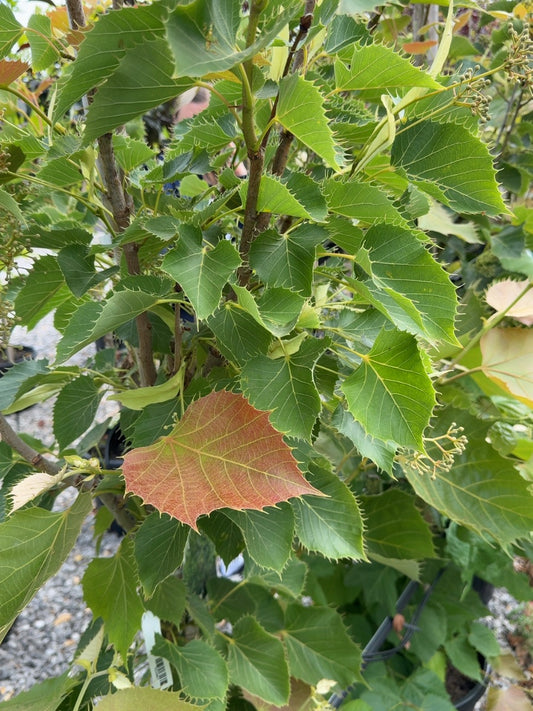


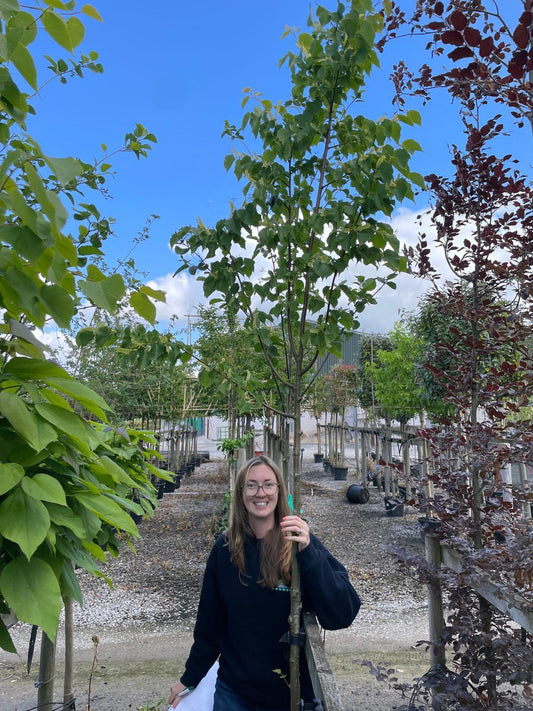

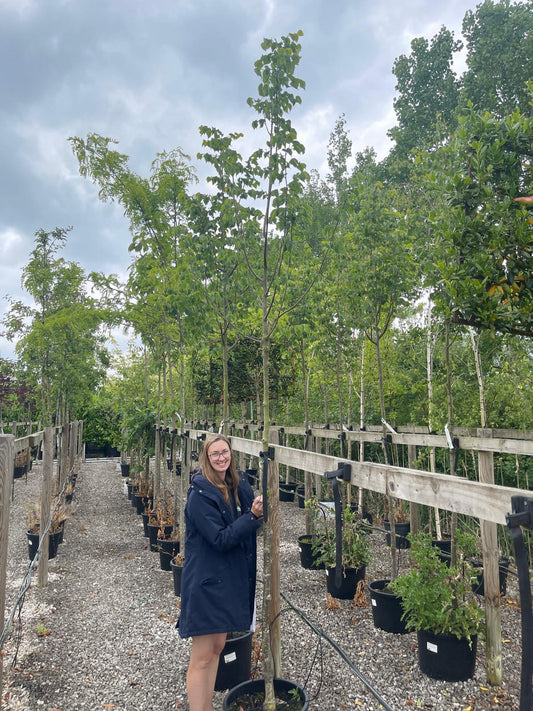
Tilia or Lime Tree
Tilia, commonly known as lime trees, are a classic choice for UK gardens, parks, and landscapes due to their elegant appearance, ecological value, and adaptability. They are ideal for creating stunning avenues, providing shade, or enhancing biodiversity.
Why Choose Tilia (Lime Trees)
-
Majestic Appearance:
Lime trees are known for their graceful form, heart-shaped leaves, and fragrant yellow-green flowers. They are an iconic feature in traditional British landscapes and provide a timeless aesthetic. -
Ecological Benefits:
- Tilia trees are a haven for wildlife. Their nectar-rich flowers attract bees, butterflies, and other pollinators, making them essential for supporting biodiversity.
- They provide shelter for birds and small mammals and produce seeds that birds enjoy.
-
Shade and Shelter:
Lime trees grow into large, dense canopies, making them excellent for providing shade, reducing urban heat, and creating windbreaks in gardens or open spaces. -
Longevity and Versatility:
Tilia species are long-lived, with some specimens surviving for centuries. They adapt well to various conditions, making them suitable for both rural and urban environments. -
Air Purification:
Lime trees are effective at filtering pollutants, improving air quality in urban areas. They also absorb noise, making them popular for roadside planting.
Where to site your Tilia
These trees need plenty of space to reach their full potential. Perfect for attracting bees and wildlife into the garden
How to grow your Tilia
Choose a sunny or partially shaded location with well-drained soil. Lime trees thrive in fertile soils but are adaptable to a range of soil types, including clay and sandy soils.
Apply a general-purpose fertilizer in early spring to encourage healthy growth.
For mature trees, minimal pruning is required unless removing dead or diseased branches. Prune young trees to shape their growth, removing weak or crossing branches.