
Populus, or Poplar Trees,
Are fast-growing deciduous trees commonly planted for their aesthetic value, shelterbelt purposes, or timber production. They thrive in a variety of conditions but require proper care and site selection to reach their full potential.
Key Growing Requirements:
-
Site Selection:
- Sunlight: Poplars prefer full sun (6-8 hours of sunlight daily) for optimal growth.
- Soil: They thrive in moist, well-drained soil but are tolerant of a wide range, including sandy and clay soils.
- Space: Provide sufficient room for their expansive root systems, which can spread aggressively and potentially damage nearby structures.
-
Planting:
- Plant in early spring or autumn for the best establishment.
- Dig a hole twice the width of the root ball and the same depth as the root system.
- Backfill with soil, firm gently, and water thoroughly.
-
Watering:
- Regular watering is essential in the first year until the tree is established.
- Mature trees are relatively drought-tolerant but benefit from occasional deep watering in prolonged dry periods.
-
Fertilizing:
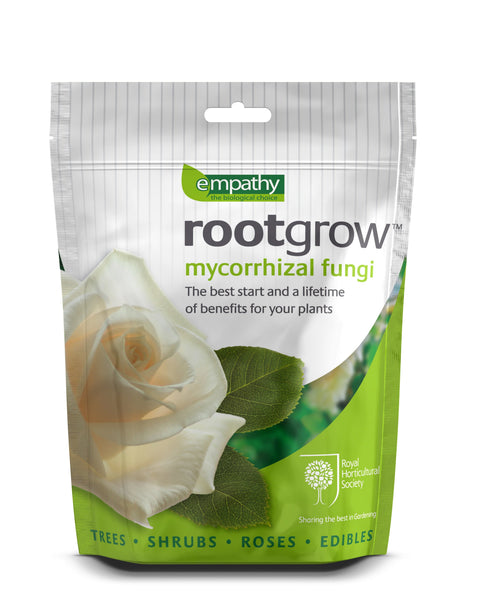
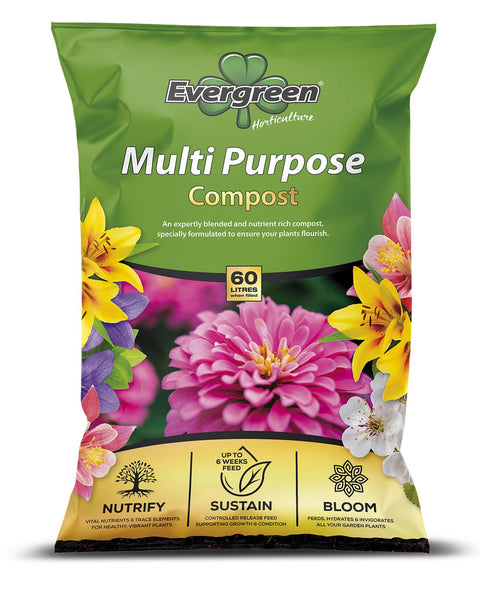
- Feed in spring with a balanced, slow-release fertilizer to encourage healthy growth.
- Avoid over-fertilizing, as excessive nutrients can lead to weak, spindly growth.
-
Pruning:
- Prune in late winter or early spring to remove dead, damaged, or crossing branches.
- Regular pruning can help maintain a desired shape and reduce the risk of breakage.
-
Pest and Disease Management:
- Poplars are susceptible to pests like aphids, caterpillars, and poplar borers, as well as diseases such as cankers and rust.
- Monitor trees regularly and treat issues promptly with appropriate methods (e.g., insecticidal soap or fungicides).
-
Special Considerations:
- Windbreaks: Poplars are excellent for creating shelterbelts, especially in windy or exposed sites.
- Invasive Roots: Avoid planting near foundations, water pipes, or paved areas due to their vigorous root systems.
Common Uses in the UK:
- Landscaping: Their tall, columnar shape makes them suitable for urban or formal settings.
- Timber: Some varieties are cultivated for quick timber production.
- Shelterbelts: Ideal for windbreaks and controlling soil erosion in rural areas.
Poplars are popular for their fast growth and utility but require careful site planning to avoid root-related issues. With the right care, they can be an excellent addition to a landscape or agricultural setting.