
-
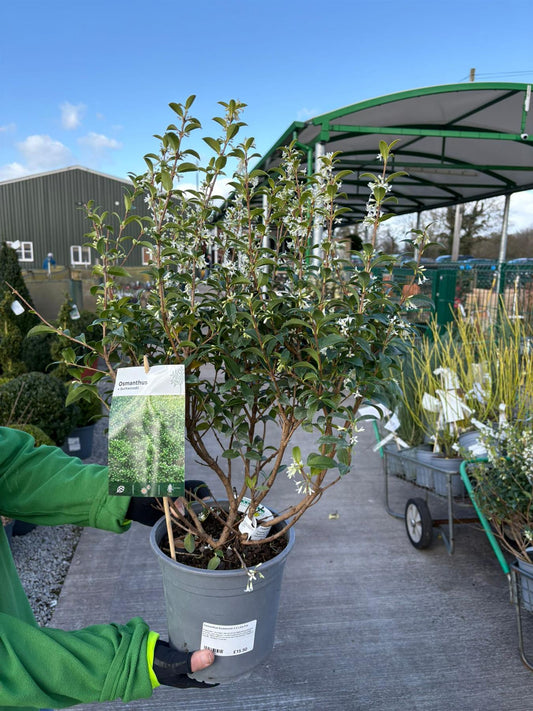
Osmanthus Burkwoodii 4.5 Litre Pot
Osmanthus × burkwoodiiFull sunEvergreenIn stockRegular price £17.70Regular price -
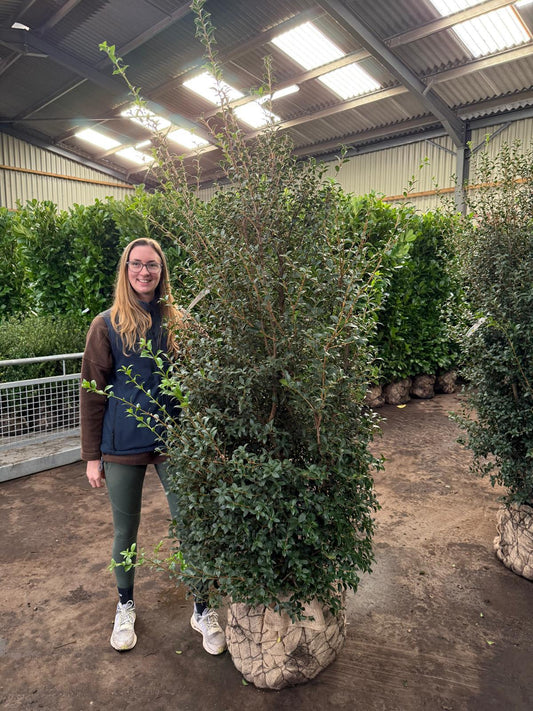
Osmanthus Burkwoodii Specimen 180/200cm
Osmanthus BurkwoodiiFull sunEvergreenGetting lowRegular price £243.85Regular price£243.85Sale price £243.85 -
Osmanthus Heterophy. Goshiki 5 Litre Pot
Osmanthus heterophyllus 'Goshiki'Full sunEvergreenGetting lowRegular price £19.50Regular price -
Osmanthus heterophyllus Goshiki - Variegated False Holly 3 Litre Pot
Osmanthus heterophyllus 'Goshiki'Full sunEvergreenIn stockRegular price £7.20Regular price




Osmanthus shrubs are celebrated for their fragrant blooms and glossy foliage, adding elegance and year-round interest to any garden. These evergreen shrubs are versatile and visually appealing.
Varieties of Osmanthus Shrubs
Osmanthus x burkwoodii: This hybrid variety is prized for its aromatic white flowers that bloom in spring. 'Burkwoodii' features dense, dark green foliage and a compact, rounded form, making it ideal for small gardens and hedges.
Osmanthus x burkwoodii 'Tricolour': 'Tricolour' is a striking variety known for its unique foliage, which displays a mix of green, white, and pink hues. This eye-catching shrub also produces fragrant white flowers and maintains a compact, tidy growth habit.
Osmanthus x burkwoodii 'Variegated': The 'Variegated' variety is distinguished by its attractive green and cream variegated leaves. It offers the same pleasant fragrance as other Osmanthus varieties and has a dense, rounded shape, making it perfect for adding visual interest to garden borders.
Where to Site Your Osmanthus Shrubs
Osmanthus shrubs thrive in well-drained soils with a neutral to slightly acidic pH. They prefer full sun to partial shade, making them versatile for various garden settings. These shrubs are adaptable to different soil types and are drought-tolerant once established.
Growth
Osmanthus shrubs typically reach heights of 1-3 meters, depending on the variety and growing conditions. They grow slowly to moderately, making them easy to maintain and ideal for adding structure and interest to the garden.
Can I Maintain Osmanthus Shrubs?
Osmanthus shrubs are low-maintenance and require minimal care. Light pruning helps maintain their shape and remove any dead or damaged growth. Regular watering helps them establish, but they are quite drought-tolerant once they mature.
Caring Tips for Osmanthus Shrubs
Watering
Water Osmanthus shrubs regularly during dry spells to help them establish, and reduce watering once they are mature, as they are drought tolerant.
Pruning
Light pruning helps maintain the shape of the shrub and remove any dead or damaged growth.
Feeding
Apply a balanced fertiliser in spring to support healthy growth and blooming.
Climate Consideration
Osmanthus prefers a mild climate and can tolerate some frost. In colder regions, consider providing protection or choosing hardier varieties.
Signs of Pests and Disease: How to Care For Your Poorly Osmanthus
Stress Response
Look for signs of wilting or poor growth, which may indicate stress from drought or poor soil conditions.
Powdery Mildew
White, powdery spots on leaves can indicate powdery mildew. Improve air circulation and avoid overhead watering.
Leaf Spot
Dark spots on leaves may be caused by fungal infections. Remove affected leaves and improve air circulation.
Pests
Watch for pests like scale insects and aphids. Use insecticidal soap if needed.
Osmanthus FAQs
What is osmanthus?
Osmanthus is an evergreen shrub grown for its glossy, holly-like foliage and clusters of small, intensely fragrant white flowers. It is versatile for borders, screening, hedging and topiary.
Is Osmanthus burkwoodii fragrant?
Yes — Osmanthus × burkwoodii is one of the most fragrant, with sweetly scented white spring flowers, and it clips beautifully into a hedge or topiary ball.
When does osmanthus flower?
Most osmanthus flower in spring (burkwoodii) or autumn (fortunei and heterophyllus), filling the garden with fragrance.
Does osmanthus make a good hedge?
Yes — dense and evergreen, it clips neatly into a fragrant hedge. See our osmanthus hedging for plants sold for screening.