


-
Liriodendron tulipifera Aureomarginatum 35 Litre Pot
Liriodendron tulipifera 'Aureomarginatum'DeciduousGetting lowRegular price £89.50Regular price -
Liriodendron tulipifera Fastigiatum 35 Litre Pot
Liriodendron tulipifera 'Fastigiatum'Full sunDeciduousIn stockRegular price £89.50Regular price -
Liriodendron tulipifera 35 Litre Pot
Liriodendron tulipiferaFull sunDeciduousGetting lowRegular price £89.50Regular price

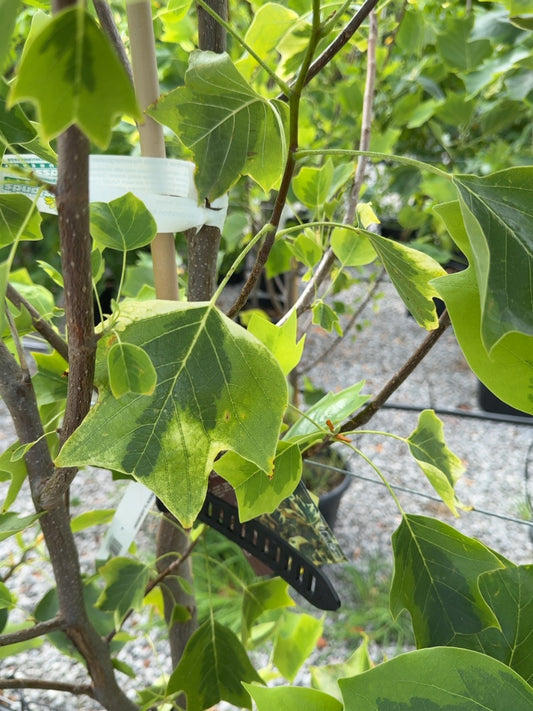


Liriodendron or Tulip Tree
The Liriodendron, commonly known as the tulip tree, is a majestic, fast-growing deciduous tree known for its unique, tulip-like flowers and large, attractive leaves. It’s a fantastic option for larger gardens or landscapes, where its towering presence and seasonal beauty are appreciated.
Where to Site your Liriodendron
Focal Point or Specimen Tree: Plant as a solitary specimen in large gardens or parks to showcase its towering presence and seasonal interest.
Shade Tree: The tulip tree’s broad canopy provides ample shade, making it ideal for cooling areas of the garden, patios, or seating areas.
Street or Avenue Tree: Its impressive height and symmetrical form make it an excellent choice for formal street plantings or avenue-style gardens.
Woodland Garden: Works well in woodland-style gardens where it can blend with other large trees and shrubs.
Wildlife Garden: Provide food and shelter for birds, bees, and pollinators with a tulip tree as part of a biodiversity-focused garden.
How to Grow and Look after Tulip Tree
Prefers full sun to thrive and produce abundant flowers. While it can tolerate some shade, the tree won’t grow as vigorously.
Grows best in fertile, well-drained, moist soils but is adaptable to a wide range of soil types, including clay, loam, and acidic or alkaline soils.
Feed with a balanced fertilizer in early spring to promote healthy growth, especially in nutrient-poor soils.
Once established, the tulip tree is fairly drought-tolerant but benefits from occasional watering during particularly hot, dry periods.
Pruning is generally minimal. Remove dead, damaged, or crossing branches during late winter or early spring to maintain a clean structure.