
-
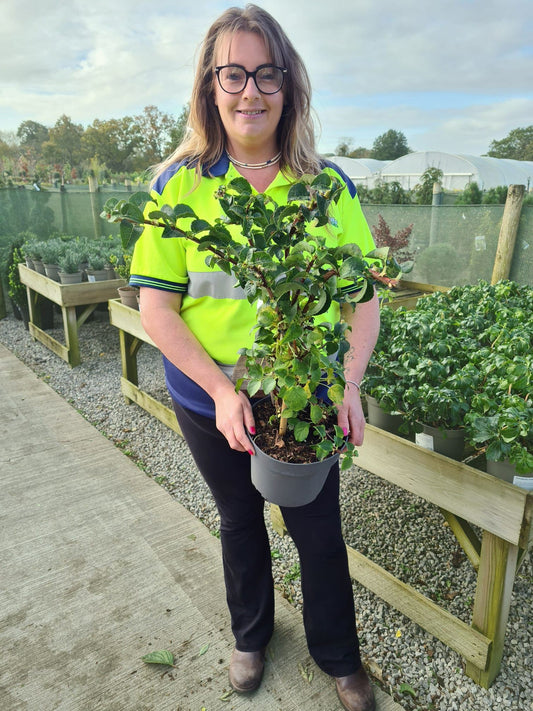
Hydrangea Petiolaris 4 Litre Pot 40/60cm
Hydrangea anomala subsp. petiolarisFull sunDeciduousIn stockRegular price £16.50Regular price -
Hydrangea Petiolaris 12 Litre Pot 100-125cm
Hydrangea anomala subsp. petiolarisFull sunDeciduousGetting lowRegular price £43.00Regular price -
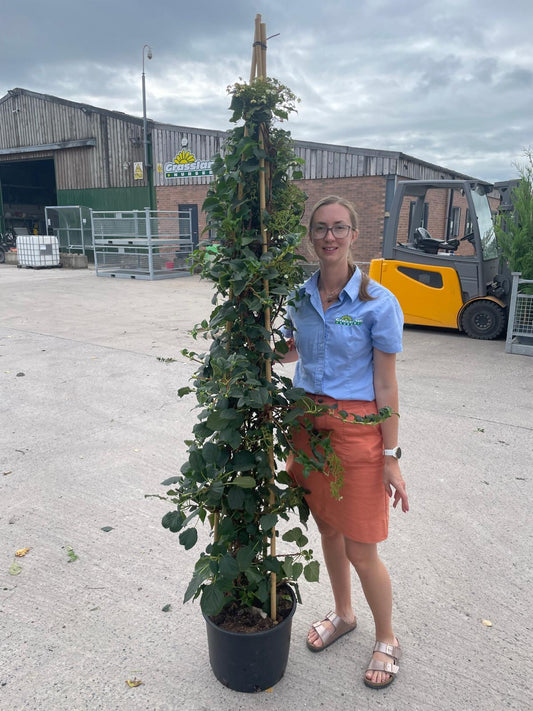
Hydrangea Petiolaris 20 Litre Pot 3 Canes 150/175cm Tall
Hydrangea anomala subsp. petiolarisFull sunDeciduousIn stockRegular price £123.00Regular price -
Hydrangea Petiolaris Specimen 200/225cm 110 Litre Pot
Hydrangea petiolarisFull sunDeciduousGetting lowRegular price £460.00Regular price




Climbing Hydrangea – A Graceful, Shade-Loving Climber with Showy White Lacecap Blooms
The climbing hydrangea (Hydrangea anomala subsp. petiolaris) is a stunning, slow-to-establish but ultimately vigorous deciduous climber, treasured for its large, lacy white flowers and attractive, heart-shaped foliage. In summer, it produces broad, flat clusters of creamy-white blooms that beautifully contrast against its rich green leaves. Over time, its stems develop a network of cinnamon-brown peeling bark, adding year-round interest. With its self-clinging habit, climbing hydrangea is ideal for covering shady walls, fences, or tree trunks, bringing elegance, texture, and long-lasting beauty to difficult garden spaces.
Why Grow Climbing Hydrangea?
Showy Summer Flowers – Produces large, fragrant, lacecap-style white blooms in early to midsummer, lighting up shady areas.
Beautiful Foliage & Bark – Lush green leaves turn yellow in autumn; mature plants develop attractive peeling bark for winter interest.
Self-Clinging Habit – Climbs without wires or supports, using aerial roots to cling to walls, fences, or tree trunks.
Thrives in Shade – One of the best climbers for north- or east-facing walls or other low-light spots.
Low-Maintenance & Long-Lived – Requires minimal care once established; a durable, long-lasting addition to the garden.
Planting & Care Guide
Position: Prefers partial to full shade but will tolerate some sun (provided soil stays moist). Best for north- or east-facing walls or fences.
Soil: Moist, fertile, well-drained soil rich in organic matter; dislikes very dry or waterlogged conditions.
Watering: Keep well-watered during establishment, especially in dry periods. Mature plants are moderately drought-tolerant but benefit from occasional watering in prolonged drought.
Maintenance:
Pruning:
→ Minimal pruning required. Simply remove dead, damaged, or crossing stems in late winter or early spring to maintain shape.
→ Can be lightly trimmed after flowering to restrict size if needed.
Feeding: Apply a balanced fertiliser in spring to promote healthy growth and abundant blooms.
Support: While self-clinging, young plants may benefit from temporary tying-in until they establish a strong grip.
Perfect Garden Uses & Combinations
Climbing hydrangea is ideal for covering shaded walls, fences, or tree trunks where few other climbers thrive. Its elegant white flowers and textured foliage make it a beautiful companion to ferns, hostas, or brunnera in a woodland-style planting. For extra floral impact, underplant with spring bulbs or hellebores to extend seasonal interest.
Tip: Allow it to scramble up a mature tree trunk for a naturalistic, romantic effect, or grow it on a pergola for a softer, semi-climbing display.