


Hydrangea Paniculata Limelight 5 Litre Pot
Panicled hydrangea 'Limelight'Hydrangea paniculata 'Limelight'
AGM Winner
Full sun, Partial shade
H5 (-15 to -10°C)
1.5-2.5m × 1.5-2.5m
Deciduous
Pale lime green ageing to creamy-white with pink flush • Summer to autumn
Clay, Loam, Sand
North-facing, South-facing, East-facing, West-facing
Average Rate Of Growth
Pot Grown
Price:£13.95
| Next band £300 3% off | £500 5% off | £1000 10% off | £2500 15% off |
|---|---|---|---|
| £13.53 each | £13.25 each | £12.55 each | £11.85 each |
Add £300.00 more to reach 3% off.
Availability:
Only 23 left!
Pickup
Pick up from 9am Monday
Orders placed today will be ready for pickup from 9am the next business day.
Please wait for your 'Ready to Collect' email before visiting.
FREE DELIVERY WHEN YOU SPEND £400+*
Similar plants, different budgets
From
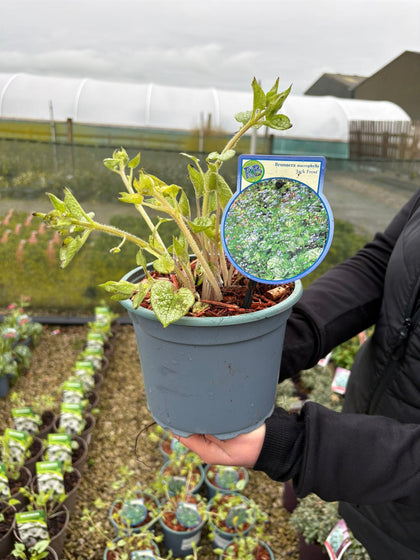 Value pick
Brunnera macr. Jack Frost 2 Litre Pot
£11.50
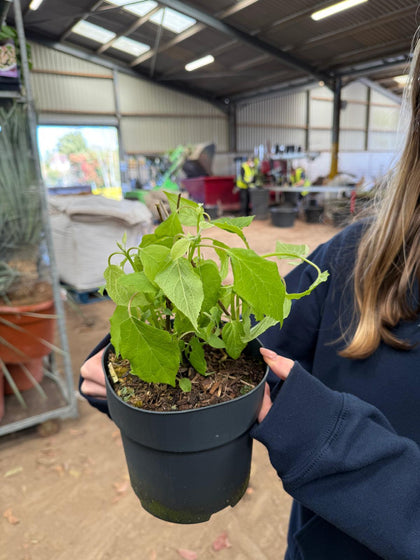 Value pick
Hydrangea Annabelle 2 Litre Pot
£10.50
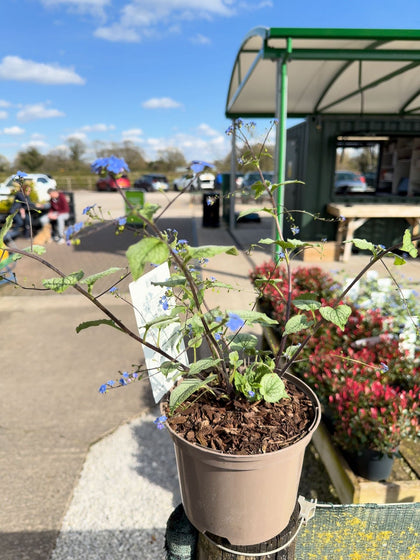 Value pick
Brunnera Alexanders Great 2 Litre Pot
£10.35
 Upgrade
Philadelphus Belle Etoile 4 Litre Pot 40/60cm
£15.75
 Upgrade
Hydrangea Arborescens Annabelle 4.5 Litre Pot
£19.85
 Upgrade
Beech Hedging Green Or Fagus Sylvatica 7.5 Litre Pot 150/175cm
£23.50