Cherry ‘Regina’ – Large, Glossy Cherries with Outstanding Flavor and Reliability
Cherry ‘Regina’ is a premium late-season sweet cherry variety valued for its exceptionally large, deep red fruit and excellent resistance to splitting. Developed in Germany, this modern cultivar combines superb eating quality with reliable harvests, making it an excellent choice for home gardeners and small orchards alike. With spring blossom, tidy growth, and high-quality fruit, ‘Regina’ offers beauty and performance in equal measure.
Seasonal Beauty & Growth
Spring:
In mid-spring, Cherry ‘Regina’ is covered in abundant clusters of pure white blossoms. These flowers are highly attractive to bees and other pollinators, creating a bright and elegant display while setting the stage for a strong fruit crop.
Summer:
As the season progresses, large green cherries develop and gradually deepen in color. By mid to late summer, the fruits ripen to a rich, glossy dark red. The firm flesh and excellent skin strength make ‘Regina’ particularly resistant to cracking, even during wet weather.
Autumn:
After harvest, the foliage often takes on soft yellow tones before falling, adding a gentle autumn accent to the garden.
Winter:
In winter, the tree’s neat, well-balanced framework remains attractive and manageable, ideal for both trained and free-standing forms.
Structure & Form
-
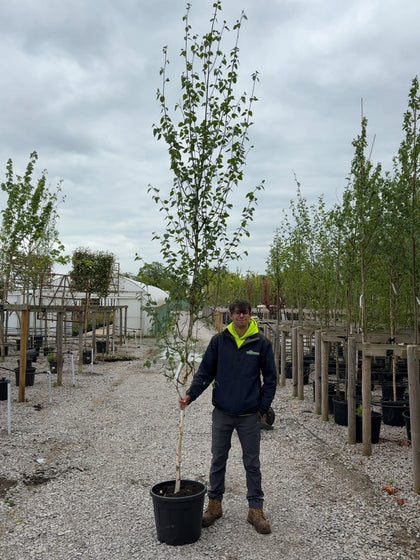
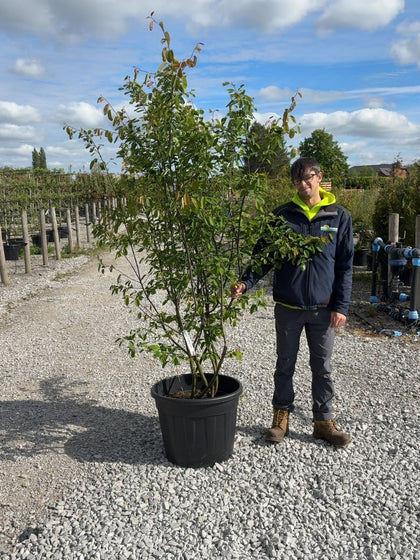
Cherry ‘Regina’ typically grows to 3.5–4.5 meters, depending on rootstock.
-
It has an upright to spreading habit with strong, well-spaced branches.
-
Suitable for growing as a bush tree, pyramid, fan, or on a dwarfing rootstock for smaller gardens.
-
Its naturally tidy shape makes training and pruning straightforward.
Perfect for Various Landscapes
-
Home Orchards: A top choice for gardeners seeking high-quality dessert cherries.
-
Small to Medium Gardens: Can be grown on dwarf or semi-dwarf rootstocks to suit limited space.
-
Walls & Fences: Ideal for fan training in sunny, sheltered positions.
-
Mixed Fruit Gardens: Combines well with other stone fruits like plums and apricots.
Growing Conditions & Care
-
Position: Full sun in a sheltered spot for best fruit quality and sweetness.
-
Soil: Prefers fertile, well-drained soil; avoid waterlogged conditions.
-
Hardiness: Hardy, with good tolerance to cooler climates.
-
Pollination: Not self-fertile. Requires a compatible pollinator such as ‘Kordia’, ‘Lapins’, or ‘Sweetheart’.
-
Maintenance: Prune in summer to reduce disease risk and maintain shape. Netting is recommended to protect fruit from birds.
Why Choose Cherry ‘Regina’?
-
Exceptionally Large Fruit: Among the largest sweet cherries available.
-
Firm, Juicy Flesh: Excellent fresh-eating quality with rich, sweet flavor.
-
Crack Resistance: Performs well even in wet summers.
-
Late Ripening: Extends the cherry season into mid–late summer.
-
Reliable Cropping: Consistent yields once established.
Perfect Plant Combinations
-
Pollinator Cherries: Plant with ‘Kordia’ or ‘Lapins’ to ensure good fruit set.
-
Underplanting: Low-growing herbs like thyme or chamomile to attract pollinators.
-
Other Fruit Trees: Pair with apples or pears for staggered harvests.
-
Shrubs: Combine with currants or gooseberries for a productive fruit garden.
Cherry ‘Regina’ is a standout modern cherry—combining beauty, resilience, and outstanding fruit quality. For gardeners looking to enjoy large, luxurious cherries with minimal fuss, ‘Regina’ is a superb and rewarding choice.