Picea pungens 'Fat Albert' – A Bold, Stately Blue Spruce with Unique, Compact Form
Picea pungens 'Fat Albert', commonly known as the Fat Albert Blue Spruce, is a striking and distinctive evergreen that brings both structure and color to your landscape. Known for its dense, compact, and symmetrical shape, this cultivar of the Colorado Blue Spruce stands out with its vibrant, silvery-blue needles, which create a dramatic contrast against other plants. Reaching heights of 3 to 4.5 meters (10 to 15 feet), 'Fat Albert' maintains a stout, rounded form, making it an excellent choice for small to medium-sized gardens, borders, or as a specimen tree. Its bold color, minimal maintenance needs, and year-round interest make it a popular choice for adding elegance and drama to your outdoor space.
Why Grow Picea pungens 'Fat Albert'?
-
Vibrant Blue Foliage – The standout feature of 'Fat Albert' is its stunning, silvery-blue needles that remain vibrant year-round, adding a cool-toned contrast to your garden.
-
Compact, Symmetrical Shape – Unlike the taller, more slender varieties of blue spruce, 'Fat Albert' grows in a rounded, full form, making it perfect for adding structure to small or medium-sized landscapes.
-
Low Maintenance – This hardy evergreen is easy to care for, requiring minimal pruning to maintain its shape and thriving in a variety of soil types once established.
-
Cold Hardy – 'Fat Albert' is cold-hardy, making it an ideal choice for gardens in northern climates where harsh winters are common.
Height and Size of Picea pungens 'Fat Albert'
Picea pungens 'Fat Albert' typically grows to a height of 3 to 4.5 meters (10 to 15 feet) with a spread of 2.5 to 3 meters (8 to 10 feet). Its dense, rounded form creates a bold, symmetrical presence that works well in a variety of garden settings.
Where to Site Your Picea pungens 'Fat Albert'
This versatile evergreen thrives in:
-
Full Sun – For the best foliage color and overall health, 'Fat Albert' thrives in full sun. The more sunlight it receives, the more intense its blue hue will be.
-
Well-Drained, Moist Soils – Prefers slightly acidic to neutral, well-drained soils. It can tolerate a range of soil types, but good drainage is essential to prevent root rot.
-
Accent or Specimen Planting – 'Fat Albert' works beautifully as a specimen tree in smaller gardens, courtyards, or as a standalone accent in larger landscapes. Its compact form and vibrant color make it a focal point year-round.
-
Formal & Informal Gardens – Its rounded, symmetrical shape fits beautifully in both formal garden designs and more naturalistic, informal landscapes.
How to Grow and Care for Your Picea pungens 'Fat Albert'
-
Soil – Prefers well-drained, moist, slightly acidic soil, though it can tolerate a variety of soil types. It’s important to avoid overly wet or poorly drained areas to ensure healthy growth.
-
Light – Thrives in full sun, where it will develop its most intense blue foliage. However, it can tolerate partial shade, although its color may be less vibrant.
-
Watering – Water regularly during the establishment period, ensuring the soil remains moist but not soggy. Once established, 'Fat Albert' is relatively drought-tolerant, though it will perform best with consistent moisture.
-
Pruning – Minimal pruning is required to maintain the tree’s natural rounded shape. Remove any dead or damaged branches in early spring, and avoid heavy pruning, as this may disrupt its natural growth habit.
-
Mulching – Apply mulch around the base to retain moisture, regulate soil temperature, and protect the roots during extreme weather conditions.
-
Pest & Disease Resistance – Picea pungens 'Fat Albert' is generally resistant to pests and diseases, though it can occasionally be affected by spruce beetles or aphids. Regular inspections and maintenance can help prevent these issues.
-
Cold Hardy – This cultivar is hardy in USDA zones 2 to 7, making it suitable for regions with cold winters and harsh conditions.
Perfect Plant Combinations
Picea pungens 'Fat Albert' pairs beautifully with a variety of plants that complement its bold color and form, such as:
-
Evergreen Shrubs – Combine with other evergreens like boxwood, juniper, or yew to create a multi-textured, year-round landscape.
-
Bright Perennials – The cool-toned blue needles of 'Fat Albert' provide a stunning contrast to colorful flowering plants, such as tulips, daffodils, or coneflowers.
-
Ornamental Grasses – Pair with ornamental grasses like fescue or feather reed grass for added texture and movement that contrasts with the static beauty of the tree.
-
Deciduous Trees & Shrubs – Use 'Fat Albert' in combination with deciduous trees and shrubs that offer seasonal color changes, like maples or viburnums, to create a dynamic landscape that shifts through the seasons.
Whether used as a dramatic specimen tree, as part of a mixed border, or in a container garden, Picea pungens 'Fat Albert' offers a stunning display of color and form year-round. Its vibrant blue needles, compact shape, and minimal care requirements make it a fantastic addition to any garden, providing elegance, structure, and beauty for years to come.


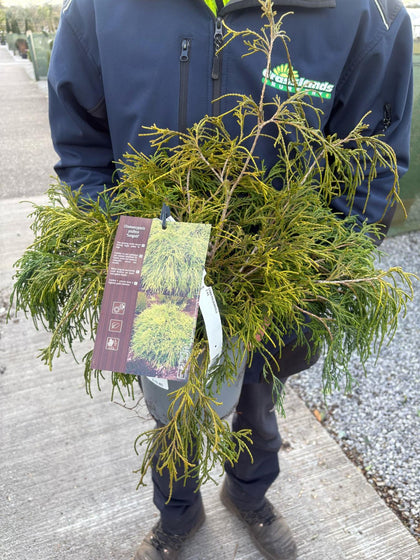 Value pick
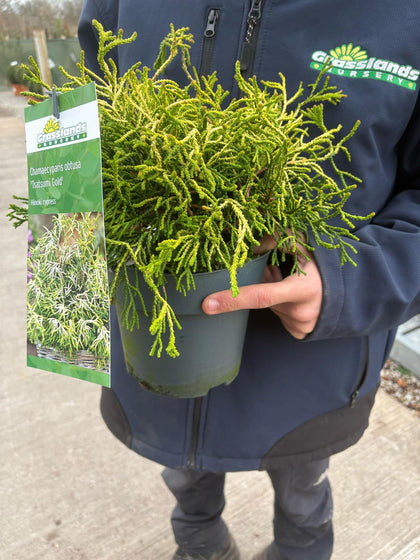 Value pick
 Value pick
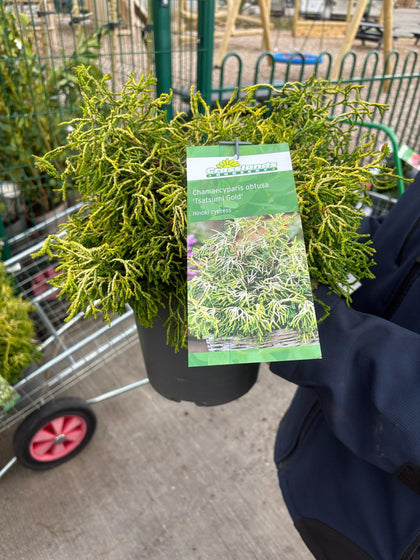 Upgrade
 Upgrade
 Upgrade