Euphorbia characias subsp. wulfenii – Bold Architectural Beauty for Sun-Drenched Gardens
Euphorbia characias subsp. wulfenii, commonly known as Mediterranean Spurge, is a magnificent evergreen shrubby perennial renowned for its dramatic, architectural presence. Tall, upright stems clothed in whorls of glaucous blue-grey foliage are crowned in late winter and spring with enormous, cylindrical flowerheads of brilliant lime-yellow bracts — some of the most eye-catching in the plant world. Tough, drought-tolerant and largely self-sufficient once established, this Mediterranean native is an essential choice for bold planting schemes, gravel gardens and naturalistic borders alike.
Why Grow Euphorbia characias subsp. wulfenii?
Dramatic Flowerheads – From late winter through to early summer, each stem is topped with a large, dome-shaped cluster of vivid lime-yellow bracts, providing months of outstanding garden colour at a time when little else competes.
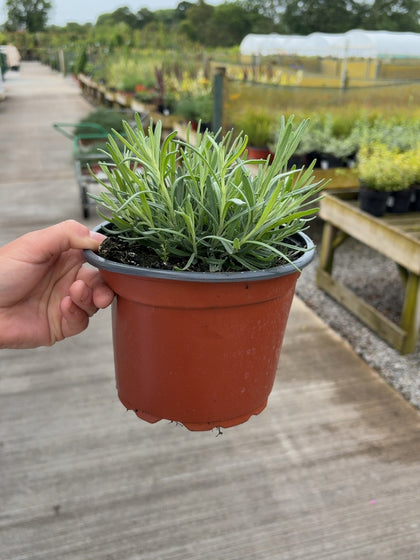
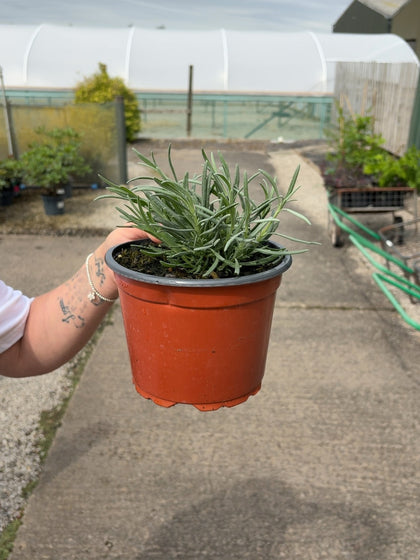
Striking Year-Round Foliage – The long, narrow, blue-grey leaves arranged in elegant whorls around upright stems give this plant a sculptural, almost exotic quality throughout every season.
Architectural Structure – With a strong, upright habit and bold form, Mediterranean Spurge commands attention as a statement plant, lending height and structure to borders and gravel plantings.
Drought Tolerance – Once established, E. characias subsp. wulfenii is highly drought-resistant, making it an outstanding choice for low-water gardens, dry slopes and free-draining coastal settings.
Deer & Rabbit Resistant – The plant's characteristic milky sap renders it unpalatable to deer and rabbits, offering reliable performance even in wildlife-rich gardens.
Pollinator Friendly – The nectar-rich flowers are a valuable early-season resource for bees, hoverflies and other pollinating insects emerging in late winter and spring.
Where to Site Mediterranean Spurge
Aspect & Position – Euphorbia characias subsp. wulfenii thrives in full sun and is ideally suited to open, exposed positions where it receives maximum light throughout the day. It will tolerate light dappled shade but produces the most vibrant flowerheads and the most compact, sturdy growth in a sunny spot. It is well suited to coastal gardens, as it copes admirably with wind and salt-laden air.
Soil – This plant is highly adaptable but performs best in free-draining soil of low to moderate fertility. It is at home in sandy, gravelly, chalky or loamy soils. Avoid heavy, waterlogged or overly rich ground, particularly over winter, as consistently wet roots are the most common cause of decline. Improving drainage with grit or sharp sand at planting time is beneficial in heavier soils.
Garden Style – Mediterranean Spurge is a natural choice for gravel gardens, rock gardens, dry borders and Mediterranean-inspired planting schemes. It makes a superb structural companion for ornamental grasses, lavender, cistus, rosemary, salvia and other sun-loving, drought-tolerant plants. Its bold architectural silhouette also makes it a striking focal point in minimalist or contemporary garden designs.
How to Grow and Care for Euphorbia characias subsp. wulfenii
Watering – Water regularly during the first growing season to help the plant establish a deep root system. Once settled in, Mediterranean Spurge requires very little supplementary watering and should only need attention during prolonged, severe drought. Overwatering or persistently damp soils should be avoided at all costs.
Feeding – This plant thrives in relatively poor soils and does not require heavy feeding. A light top-dressing of balanced slow-release fertiliser or well-rotted compost applied in spring is sufficient to maintain vigour without promoting the soft, floppy growth that can result from over-rich conditions.
Mulching – A layer of gravel or grit mulch around the base is beneficial, helping to retain soil warmth, suppress weeds and keep moisture away from the crown — particularly important during wet winters.
Pruning and Maintenance
Pruning Spent Stems – Each stem of Euphorbia characias subsp. wulfenii flowers in its second year and should be cut back to the base once the flowerhead begins to fade, typically in early to midsummer. This encourages the plant to push up strong new growth that will carry the following year's flowers. Take care not to remove the young, non-flowering shoots as these are next season's stems.
Preventing Self-Seeding – Mediterranean Spurge can self-seed prolifically if flowerheads are left in place. Removing spent stems promptly keeps unwanted seedlings to a minimum, though self-sown plants can also make welcome additions to borders and gravel areas.
Important — Sap Caution – Like all euphorbias, this plant produces a thick, milky white latex sap that is a severe skin and eye irritant. Always wear gloves and long sleeves when pruning or handling the plant, and avoid touching your face. Wash any skin that comes into contact with the sap immediately with soap and water.
Winter Hardiness – Euphorbia characias subsp. wulfenii is generally hardy across most of the UK but may suffer in prolonged periods of severe frost, particularly if the soil is also wet. In colder or more exposed gardens, a dry mul



 Value pick
 Value pick
 Value pick
 Upgrade
 Upgrade
 Upgrade