


Agapanthus Poppin Purple 4.5 Litre Pot
Deep purple-blue flower heads bloom from mid to late summer above strap-like green foliage
African lily Poppin' PurpleAgapanthus Poppin' Purple ('Pm003')
Full sun
H4 (-10 to -5°C)
0.5-1m × 0.1-0.5m
Evergreen
Purple
Summer, Autumn
Chalk, Loam, Sand
South-facing, West-facing
Average Rate Of Growth
Pot Grown
Price:£23.00
| Next band £300 3% off | £500 5% off | £1000 10% off | £2500 15% off |
|---|---|---|---|
| £22.31 each | £21.85 each | £20.70 each | £19.55 each |
Add £300.00 more to reach 3% off.
Availability:
Only 24 left!
Pickup
Pick up from 9am tomorrow
Orders placed today will be ready for pickup from 9am the next business day.
Please wait for your 'Ready to Collect' email before visiting.
FREE DELIVERY WHEN YOU SPEND £400+*
Similar plants, different budgets
From
 Value pick
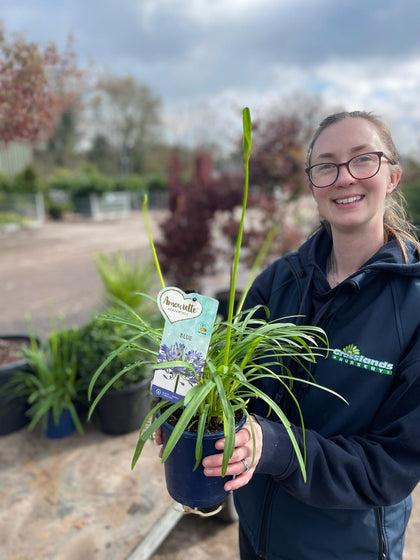
Agapanthus Amourette Superb Blue 1.5 Litre Pot
£15.95
 Value pick
Agapanthus Poppin Purple 2 Litre Pot
£14.00
 Value pick
Agapanthus Ever Sapphire 2 Litre Pot
£14.00
 Upgrade
Agapanthus Intermedia 5 Litre Pot
£25.00
 Upgrade
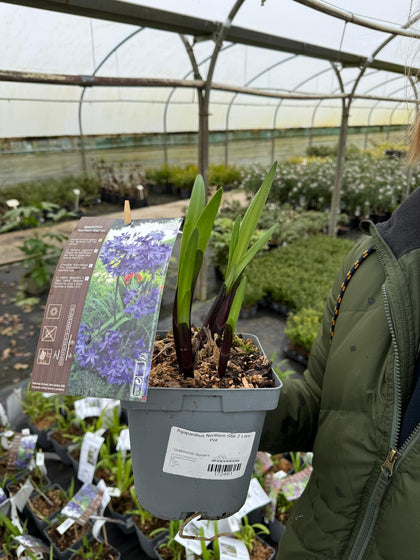
Agapanthus Arctic Star 10 Litre Pot
£31.50
 Upgrade
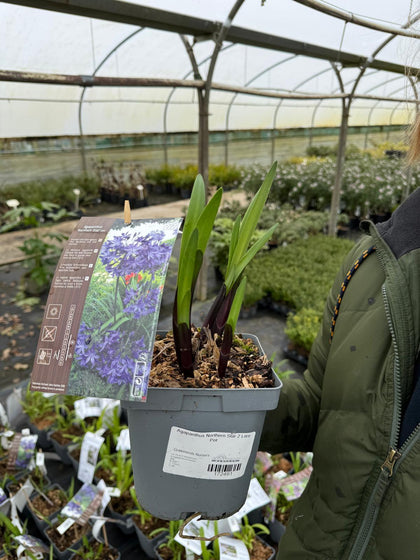
Agapanthus Northern Star 10 Litre Pot
£31.50