


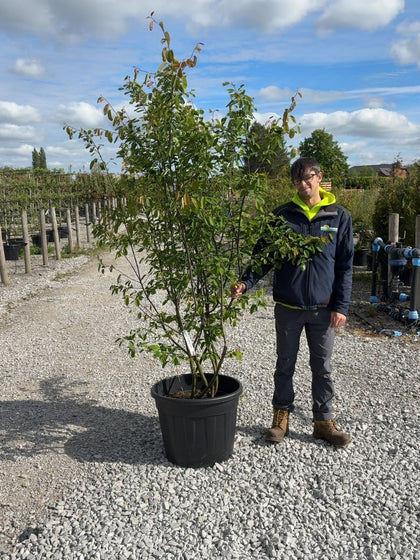
Heptacodium Miconioides 20 Litre Pot 100/120cm Tall
Known as the Seven-Son Flower, this deciduous shrub offers creamy-white, fragrant flowers in late summer followed by attractive pink seed heads
Seven son flower treeHeptacodium miconioides
AGM Winner
Pet safe
Full sun, Partial shade
H7 (< -20°C)
4-8m × 2.5-4m
Deciduous
White • Late summer to late autumn
Chalk, Clay, Loam, Sand
South-facing, East-facing, West-facing
Average Rate Of Growth
Pot Grown
Price:£121.00
| Next band £300 3% off | £500 5% off | £1000 10% off | £2500 15% off |
|---|---|---|---|
| £117.37 each | £114.95 each | £108.90 each | £102.85 each |
Add £300.00 more to reach 3% off.
Availability:
Only 6 left!
Pickup
Pick up from 9am Monday
Orders placed today will be ready for pickup from 9am the next business day.
Please wait for your 'Ready to Collect' email before visiting.
FREE DELIVERY WHEN YOU SPEND £400+*
Similar plants, different budgets
From
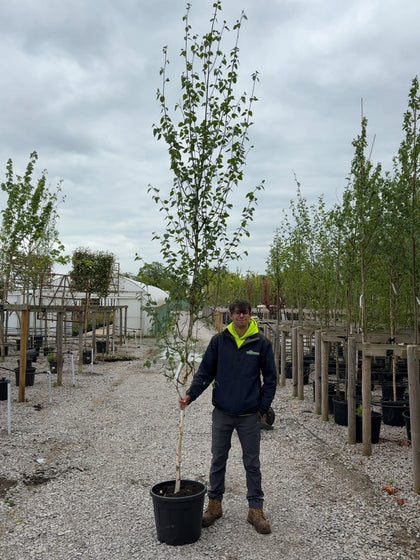 Value pick
Betula Utilis Jacquemontii 8-10 Girth
£120.00
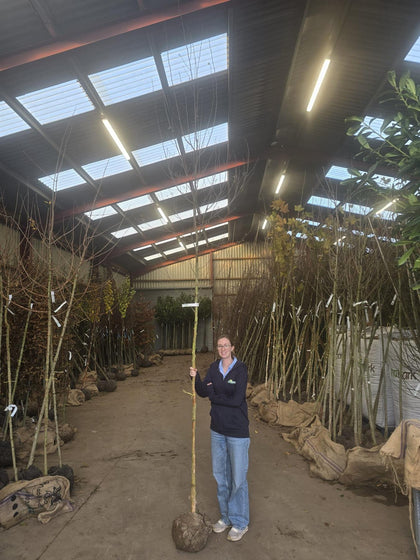 Value pick
Betula Pendula 8/10cm Girth Standard
£101.50
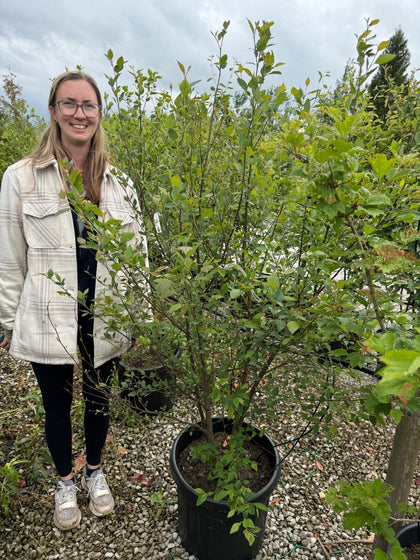 Value pick
Amelanchier Lamarckii Multi Stem 100/125cm
£87.00
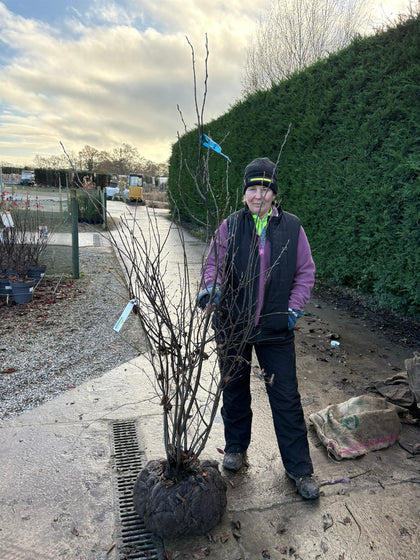 Upgrade
Amelanchier Lamarckii Multi Stem 150/175cm Root Ball
£123.00
 Upgrade
Amelanchier Lamarckii Multi Stem 175/200cm
£203.65